Namibia requires more than US$20 billion in capital investment to develop its pipeline of green industrialisation projects, spanning green hydrogen, ammonia, fertiliser production, mineral processing and clean technology manufacturing, with several projects being prepared for potential final investment decisions within the next 24 months.
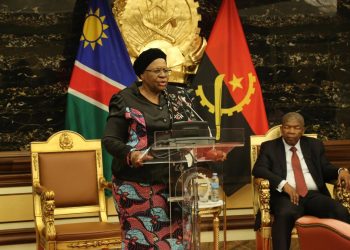
Namibia Green Hydrogen Programme (NGH2P) Acting Head Joseph Mukendwa said the identified projects form part of the country’s efforts to expand industrial production, attract investment and increase local value addition through renewable energy-based industries.
He said the pipeline comprises projects identified through an expression of interest process and aligned with the Climate Investment Funds (CIF) criteria.
“The projects cover several stages of the green industrialisation value chain, including green fuels, biomethanol, hydrogen power and storage, critical minerals refining, green steel, electrolyser manufacturing and ceramics production. The pipeline is broad, the opportunities are there,” Mukendwa said.
The projects include developments by Invicta Hydrogen Systems, Green Brine Technologies, Enersense Energy Namibia, Revoenergy, Hyphen Hydrogen Energy, Zhero, Nopal, Envision, Oryx, Cleanergy, Hop Hydro and SKORPION Alternative Fuels Namibia.
Other identified investments include HDF’s hydrogen power and storage projects, PyroNam’s biochar production, Kelp Blue’s green minerals and metals value addition activities, Green Metals Refining, Hylron and Namib Industry Ceramics.
Mukendwa said the government was working to position the projects for investment decisions while addressing infrastructure, financing and regulatory requirements necessary for their implementation.
The programme is also finalising a sector-specific investment plan for submission to the Climate Investment Funds for consideration.
According to Mukendwa, the financing initiative has the potential to mobilise more than US$1 billion to support green industrialisation, although the funding remains subject to the necessary approvals.
He said securing investment would require closer cooperation between the government, private investors and international development partners, particularly given the scale of capital required.
“Partnerships are key, we need to hold hands, the public sector with the private sector,” Mukendwa said.
Namibia began exploring green hydrogen and ammonia as potential strategic industries in 2021, with the government subsequently establishing an interministerial green hydrogen council to coordinate development of the sector.
Mukendwa said the country’s solar and wind resources provide opportunities to establish industries that manufacture equipment, process minerals and produce hydrogen derivatives for domestic and export markets.
“The industrialisation opportunities identified include solar panels and electrolysers, mineral refining, glass production, green hydrogen derivatives and fertiliser manufacturing. These activities could support local value addition, employment creation and a greater contribution from the secondary sector to the economy,” he said.
He said the programme was working on infrastructure requirements, including electricity generation and transmission, water supply and common-user facilities, alongside environmental and social assessments.
The government has also undertaken work to identify potential industrial projects and assess opportunities for Namibian businesses to participate in emerging green industrial value chains.
Mukendwa said engagements were continuing with stakeholders on project financing, skills development, local enterprise participation and community benefits.
However, he warned that several challenges could affect the development of the projects, including the need to secure long-term offtake agreements, maintain competitive production costs and mobilise financing for supporting infrastructure.
Other constraints include shortages of specialised skills, limited local enterprise capacity, competing demands for land and the management of community expectations.
He said addressing these challenges would require coordinated action involving the government, private investors, neighbouring countries and international partners.
The proposed investments are expected to support Namibia’s ambitions to move beyond exporting raw materials towards developing industries capable of processing minerals, manufacturing equipment and supplying products to regional and international markets.
However, the US$20 billion represents the estimated capital expenditure required for the identified project pipeline, rather than investment already committed, while the proposed CIF financing remains subject to approval.