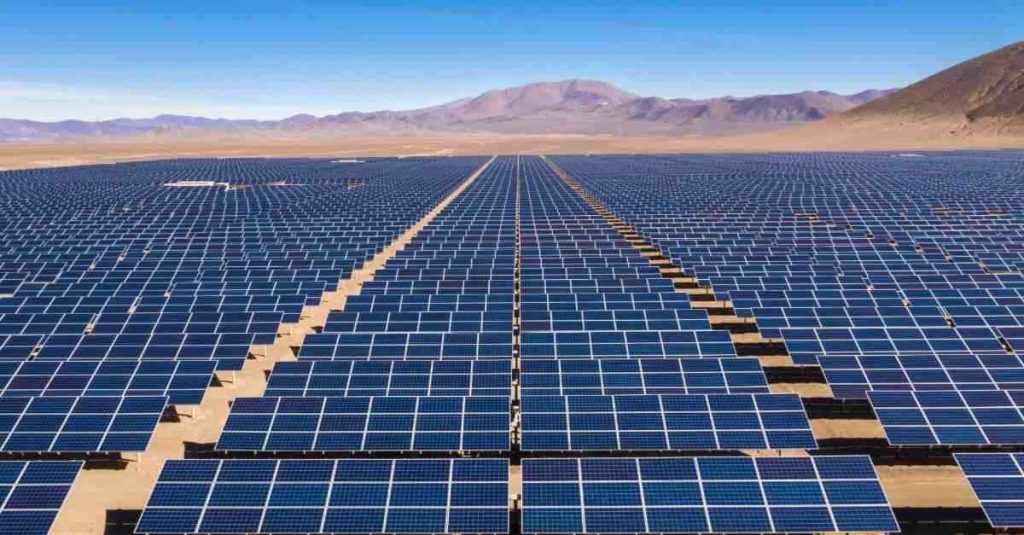
Namibia imported about 343 megawatts peak (MWp) of solar panels between 2023 and 2026, with an estimated 172MWp connected to electricity distribution networks as embedded generation continues to expand across the country.
Sustainable Energy Africa Senior Project Coordinator Zibusiso Ndlovu said the rapid growth in distributed solar generation has outpaced the ability of utilities and regulators to track installations and assess their impact on electricity networks.
“In Namibia from 2023 to 2026 we imported about 343 megawatts peak of solar panels into the country. And roughly half of that sits actually in distribution. So that is about 172 megawatts that sits in distribution,” Ndlovu said.
The figures were presented with reference to an August 2026 report by energy think tank Ember, which estimated that Africa imported about 17 gigawatts peak (GWp) of solar panels this year, mostly from China, with approximately 75% deployed within distribution networks.
Ndlovu said a significant proportion of solar installations connected to Namibia’s distribution system remain outside formal registration systems, limiting the information available to network operators.
“The key part of this report is that most of these systems are officially unknown. We cannot see where they are, although we can point to them, but there’s very little information of what they are doing on the networks and where exactly they are connected,” he said.
The expansion comes as households, businesses and institutions increasingly install rooftop solar and other decentralised energy systems to supplement electricity supplied through the national grid.
Electricity Control Board (ECB) Chief Executive Officer Robert Kahimise said the shift towards embedded and renewable generation is reshaping Namibia’s electricity sector and requires regulatory systems capable of keeping pace with developments in the market.
“Across our towns and cities and increasingly in our rural areas too, we are seeing a steady rise in embedded and renewable generation. It is happening. No one can stop it,” Kahimise said.
He said the ECB had opted to accommodate the growth of distributed generation by developing systems to support its integration into the electricity network.
“This is a welcome development. It reflects growing investor and consumer confidence in Namibia’s energy future. It supports our national ambitions for energy security, diversification and long-term tariff stability,” Kahimise said.
The ECB has introduced an online platform to centralise applications for embedded generation projects, provide utilities with information on installations connected to their networks and establish a national database of distributed generation assets.
Ndlovu said the platform would allow regulators and electricity distributors to identify the location and size of embedded generation systems and assess their impact on distribution networks, while streamlining the approval process.
“The platform collects all the data on embedded generation in Namibia. It becomes a single source of truth for all things embedded generation in the country,” he said.
According to the ECB, greater visibility of embedded generation will support electricity network planning, grid stability management and future infrastructure investment decisions as renewable energy deployment accelerates.
Kahimise said the regulator wants to establish the necessary data and oversight systems before distributed generation becomes a dominant source of new electricity capacity.
“We are putting the visibility standards and data systems in place before embedded generation becomes the dominant form of new capacity. That is proactive regulation,” he said.
He said improved information on embedded generation could also help Namibia reduce its reliance on imported electricity by allowing more locally generated renewable power to be integrated into the electricity system.
“With the support of the platform, we also want to see the impact of bottom-up generation. We want to see the reduction of expensive imports due to embedded distributed generation,” Kahimise said.