The Namibian government is in talks to acquire an aditional 10% stake in Rössing Uranium Mine, as it seeks to increase national ownership in one of the country’s most strategic mining assets.
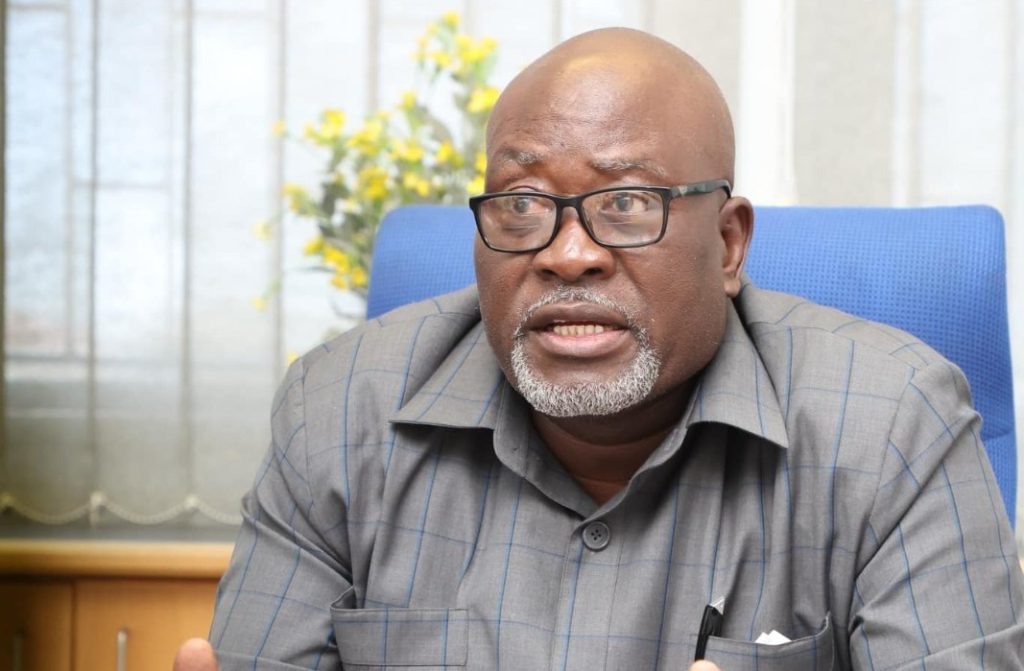
Prime Minister Elijah Ngurare confirmed that discussions are underway regarding the potential acquisition of shares currently held by the Industrial Development Corporation of South Africa (IDC), which has initiated a disposal process for its 10.2% stake.
Government currently holds less than 4% equity in Rössing, although it retains 51% of voting rights. The proposed acquisition would significantly increase Namibia’s direct economic participation in the long-running uranium operation.
“We are engaging on this matter together with the relevant line minister and other stakeholders, and efforts are being made to pursue this route in order to maximise Namibia’s stake in Rössing Uranium, which is the right course of action,” Ngurare said.
The opportunity arises within the framework of existing shareholding provisions, which require that shares be offered to current or relevant stakeholders before being made available to external buyers. This has opened the door for the Namibian state to increase its holding.
Should government opt not to take up the stake, the opportunity could be extended to domestic investors.
“If the state is not in a position to take up the shares, the opportunity can be extended to traditional leaders and other Namibians with the financial capacity to do so,” Ngurare said.
The potential transaction, estimated at over N$1.5 billion, comes amid growing calls for greater local participation in Namibia’s mining sector, particularly in high-value commodities such as uranium.
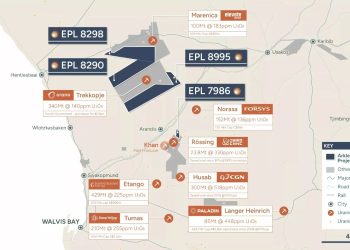
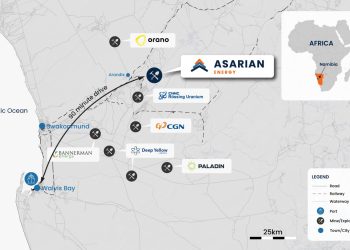
Rössing remains one of the world’s longest-operating open-pit uranium mines and a cornerstone of Namibia’s uranium industry. Located near Arandis, the mine has been in operation since 1976 and has an installed production capacity of approximately 4,500 tonnes of uranium oxide per year.
The mine is majority-owned by China National Uranium Corporation, which holds a 68.6% stake, followed by the Iranian Foreign Investment Company at 15%. The IDC holds just over 10%, while local shareholders account for approximately 3%.
Namibia is one of the world’s leading uranium producers, alongside operations at Husab and Langer Heinrich, positioning the country as a key supplier in the global nuclear fuel market.
The outcome of the negotiations will determine whether the state consolidates a larger direct stake in uranium production or opens the door for broader local investor participation in one of its most valuable mining assets.