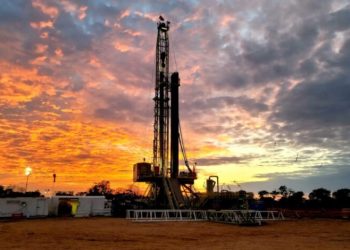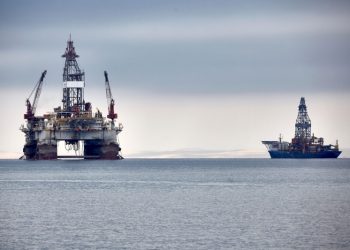
Namibia is stepping up preparations for the development of its oil and gas resources, with government and industry leaders calling for stronger regulation, local capacity, infrastructure, skills and investment as offshore discoveries move closer to potential commercialisation.
The transition from exploration to development dominated discussions on the second day of the three-day 4th Namibia Oil and Gas Conference in Windhoek, held under the theme “From Decision to Dividend: Making Namibia’s Oil Work for Namibians”.
The conference has brought together government, international energy companies, investors, service providers, entrepreneurs and industry experts to assess what Namibia needs to put in place before offshore production begins.
Speaking on behalf of President Netumbo Nandi-Ndaitwah, Vice President Lucia Witbooi said petroleum discoveries alone would not constitute success unless they translated into wider economic benefits.
“Discovery is not the destination. A resource beneath our waters becomes a national success only when it is responsibly developed and translated into tangible improvements in the lives of our people. It must become employment for Namibians, opportunities for our enterprises, skills for our young people, technology for our institutions, infrastructure for our economy, revenues for national development, and savings for future generations,” Witbooi said.
She said Namibia’s legal and policy frameworks, investment environment and national development priorities would become increasingly important as the country advances towards potential oil production.
NDP6 identifies stronger legal and policy frameworks, sustainable field development, infrastructure and investment, as well as skills development and innovation, among the priorities for the emerging sector.
Minister of Industries, Mines and Energy Modestus Amutse said government’s 2026-2030 strategic plan is focused on ensuring Namibia is prepared onshore before offshore production begins.
“Our strategic plan for 2026 to 2030 carries one organising idea, which is to move this country from exploration to readiness, so that Namibia is ready onshore when production begins offshore,” Amutse said.
“Namibia expects Namibian employment to be maximised, Namibian suppliers prioritised, skills and technology transferred, and meaningful Namibian participation, ownership and financing across the value chain.”
The conference discussions have covered upstream exploration, deepwater project economics, field development, supply-chain readiness, financing, farm-ins, joint ventures and infrastructure required to support future petroleum developments.
Gas Exporting Countries Forum Secretary General Dr Philip Mshelbila said Namibia should learn from established petroleum-producing countries without simply copying their development models.
“Namibia’s objective should not be to import another country’s model, but to build its own on the strongest possible evidence, having learned from the experiences of others,” Mshelbila said.
Kornelia Shilunga, Special Advisor and Head of the Upstream Petroleum Unit in the Presidency, said achieving first oil should similarly be treated as a milestone rather than Namibia’s ultimate objective.
“As we look towards first oil, we must also look beyond first oil. The first barrel will be an important milestone, but it cannot be a destination,” Shilunga said.
“The real dividend must be reflected in jobs that are created, strong and viable businesses, improved infrastructure, technology transfer, skills development, increased government revenues, industrial growth, and improved opportunities for future generations.”
She said prudent and transparent management of petroleum revenues, strong institutions, sound governance, environmental responsibility and long-term planning would be critical to ensuring the industry delivers lasting benefits.
NAMCOR Managing Director Victoria Sibeya said Namibia has entered a new phase following a series of discoveries, particularly in the Orange Basin, increasing the importance of building national capacity and safeguarding the country’s interests across the petroleum value chain.
“After decades of exploration, the country has entered a new era. Following a series of discoveries in Namibia, particularly in the Orange Basin, these discoveries, which have confirmed that Namibia has a working petroleum system, have convinced local investors to visit our country not for the weather, but for what lies beneath the waters of Namibia,” Sibeya said.
Rhino Resources Chief Executive Officer Travis Smithard said converting petroleum discoveries into economic benefits would require cooperation between government, industry and wider society.
“The dividend this conference speaks about will not simply exist because we found hydrocarbons. It will come from government, industry and society at large coming together to define what is important for Namibia,” Smithard said.
“We like local upliftment because local content creates an obligation for compliance, local upliftment creates capability, and capability within Namibia will create investment.”