• Mining
Tuesday, May 5, 2026
Mining and Energy Namibia | Namibia’s Leading Mining & Energy News
Subscribe
No Result
View All Result
  • Diamonds
  • Oil & Gas
  • Uranium
  • Green Hydrogen
  • E-PAPERREADER
  • Gold
  • Lithium
  • Energy
  • Copper
  • Zinc
  • Diamonds
  • Oil & Gas
  • Uranium
  • Green Hydrogen
  • E-PAPERREADER
  • Gold
  • Lithium
  • Energy
  • Copper
  • Zinc
No Result
View All Result
Mining and Energy Namibia | Namibia’s Leading Mining & Energy News
No Result
View All Result
Home Energy

Namibia moves to cut red tape for small-scale power producers

by reporter
February 11, 2026
in Energy
1.8k 38
A A
0
 

Namibia’s Electricity Control Board (ECB) has unveiled a new regulatory framework aimed at fast-tracking small-scale power projects by reducing administrative requirements for generators of up to 2 megawatts (MW) and specialised pilot projects.

The move comes as small-scale energy innovators in Namibia have previously been subject to the same licensing conditions as large-scale utility power plants.

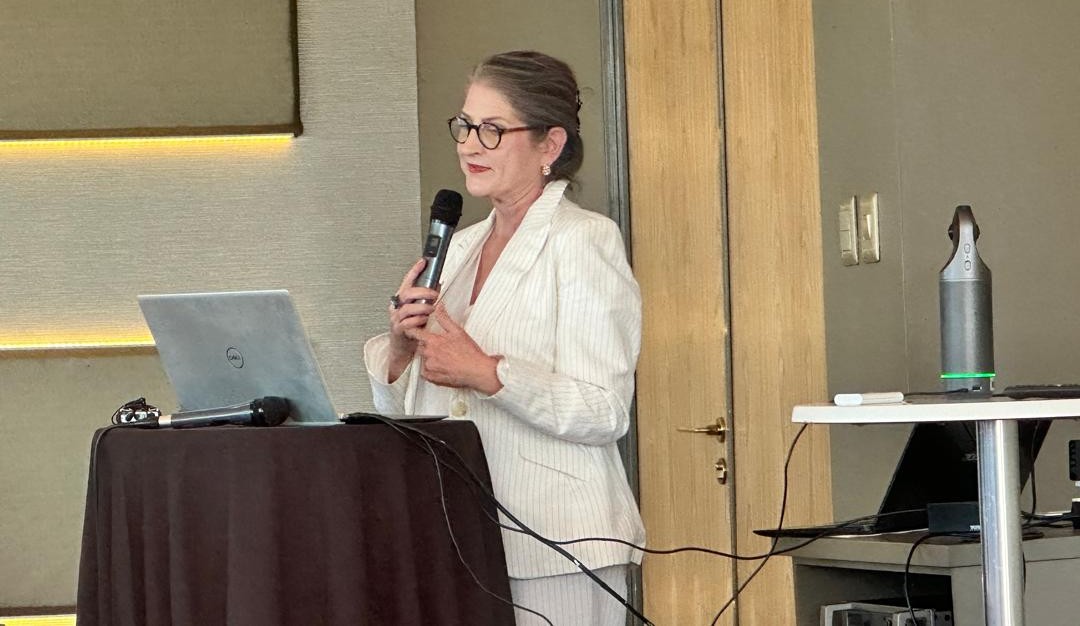
Speaking at a stakeholder engagement, ECB Senior Financial and Market Analyst Tonateni Amukutuwa said a key pillar of the initiative is support for pilot and demonstration projects of up to 5 MW.

This category is intended to encourage experimentation with emerging technologies, including green hydrogen.

“The objective of this initiative is to introduce a light-handed regulatory approach to the licensing of smaller embedded generators and pilot projects. While doing so, we will fully safeguard the ECB’s statutory mandate to ensure electricity security, system reliability, consumer protection and orderly industry development. Our focus is on developing simplified, fit-for-purpose licence conditions and application forms aligned with the Electricity Act and applicable rules, codes and regulations,” he said.

Also speaking at the event, ECB consultant Jackie Scholtz explained that the lighter regulatory approach specifically targets projects with minimal impact on public electricity pricing.

This includes systems exceeding 500 kVA used for own consumption, as well as third-party rooftop installations where private investors supply solar energy directly to a single consumer.

The framework also covers off-grid distribution and supply projects of up to 1 MW, standby generation used for emergency backup, and “willing buyer, willing seller” models.

These private transactions are prioritised for deregulation because they do not affect national tariffs or public pricing, allowing the ECB to step back from strict economic oversight while still ensuring technical safety.

“The intention here is to keep these categories within the regulatory ambit, but to simplify the application process. By doing so, we can adopt a lighter regulatory approach toward these projects and operators, a strategy designed to decrease the overall regulatory burden,” she said.

Despite the shift towards deregulation, the ECB emphasised that the framework does not bypass existing legislation. All projects must still comply with the Electricity Act, including the mandatory 30-day public objection period.

The ECB said the primary objective is economic deregulation, noting that projects which do not affect public pricing will no longer be subject to strict regulation of internal tariffs or business plans.


author avatar
reporter
See Full Bio
Share400Tweet250

Related Posts

Man in a suit speaks into a handheld microphone at a podium in front of a banner about investing our future and a modified single buyer program.
Energy

Namibia tightens electricity market oversight with new surveillance framework

  Namibia is tightening oversight of its electricity sector with the rollout of a market surveillance framework aimed at improving...

April 23, 2026
Close-up of a hand holding a white card with the Azule Energy logo in blue, blurred Azule Energy website on a screen in the background.
Energy

Azule Energy targets operator role in Namibia

  Azule Energy is preparing to transition from an exploration-focused player to a committed operator in Namibia, with plans to...

April 20, 2026

Recommended

Trigon draws down from US$5 Million Kombat finance facility

Trigon draws down from US$5 Million Kombat finance facility

4 years ago
Elizabeth Bay identified for possible development into Namibia’s energy hub

Elizabeth Bay identified for possible development into Namibia’s energy hub

2 years ago
Load More

Newsletter

Black transparent logo for dark mode

About Us

The Namibia Mining and Energy website is a comprehensive online platform dedicated to showcasing Namibia's mining and energy sectors

Categories

  • Copper
  • Diamonds
  • Energy
  • Gold
  • Green Hydrogen
  • Lithium
  • Mining
  • Namibia
  • News
  • Oil & Gas
  • Opinions
  • Tin
  • Uranium
  • Zinc

Get in touch

Email:newsdesk@miningandenergy.com.na

© 2026 Mining and Energy | All Rights Reserved. The Namibia Mining and Energy website is a comprehensive online platform dedicated to showcasing Namibia's mining and energy sectors.

Welcome Back!

Login to your account below

Forgotten Password?

Retrieve your password

Please enter your username or email address to reset your password.

Log In
No Result
View All Result
  • Diamonds
  • Oil & Gas
  • Uranium
  • Green Hydrogen
  • E-PAPER
  • Gold
  • Lithium
  • Energy
  • Copper
  • Zinc

© 2026 Mining and Energy | All Rights Reserved. The Namibia Mining and Energy website is a comprehensive online platform dedicated to showcasing Namibia's mining and energy sectors.