Japan has committed up to N$564.4 million (C$47.668 million) to advance the development of the Lofdal Heavy Rare Earth Project in Namibia’s Kunene Region, strengthening its efforts to secure long-term supplies of critical minerals used in electric vehicles and advanced technologies.
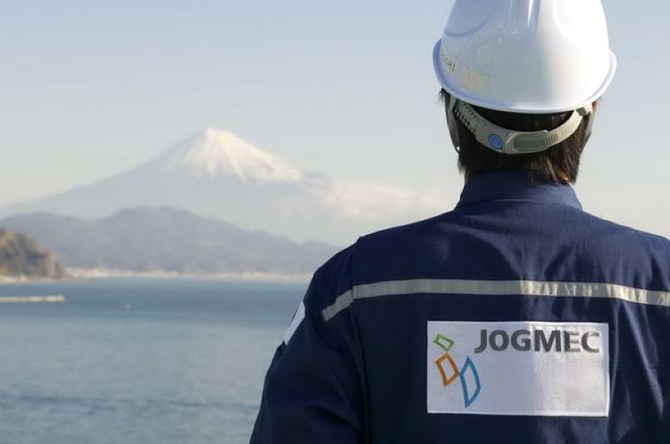
The investment, announced by the Japan Organization for Metals and Energy Security (JOGMEC), will be channelled through TJ Namibia Rare Earths Corporation (TJ), a newly established special purpose company jointly created with Toyota Tsusho Corporation. The initial investment was made on 23 July 2026.
The Lofdal project is being developed in partnership with Canada-based Namibia Critical Metals Inc. and contains significant deposits of heavy rare earth elements, including dysprosium and terbium, which are essential for manufacturing high-performance permanent magnets used in electric vehicle motors, wind turbines and other advanced technologies.
JOGMEC said the project forms part of Japan’s strategy to diversify its critical mineral supply chains amid rising global demand for rare earth elements.
The Lofdal project was launched in 2020 by JOGMEC and Namibia Critical Metals. Earlier this year, Toyota Tsusho joined the project as a development partner after acquiring a portion of JOGMEC’s option interest through a competitive bidding process.
The partners are currently undertaking a Definitive Feasibility Study (DFS), with a final investment decision on commercial mine development expected before the end of Japan’s 2026 financial year.
The investment marks Japan’s first rare earth mining development project in Africa, highlighting Namibia’s growing strategic importance in the global critical minerals sector.
Toyota Tsusho said the project will support future commercial production while strengthening Japan’s long-term access to the critical minerals required for its automotive, clean energy and advanced manufacturing industries.
JOGMEC said it will continue supporting Japanese companies investing in overseas mineral projects to secure stable supplies of critical metals, including rare earths, for Japan’s industrial and energy security needs.
The latest investment further reinforces Namibia’s position as an emerging global supplier of critical minerals, with increasing international interest in the country’s rare earth, uranium, lithium and copper resources amid the global energy transition