Angola’s planned acquisition of a 10% stake in global diamond mining giant De Beers would be valued at approximately US$180 million, as southern African diamond-producing countries seek greater ownership of the company.
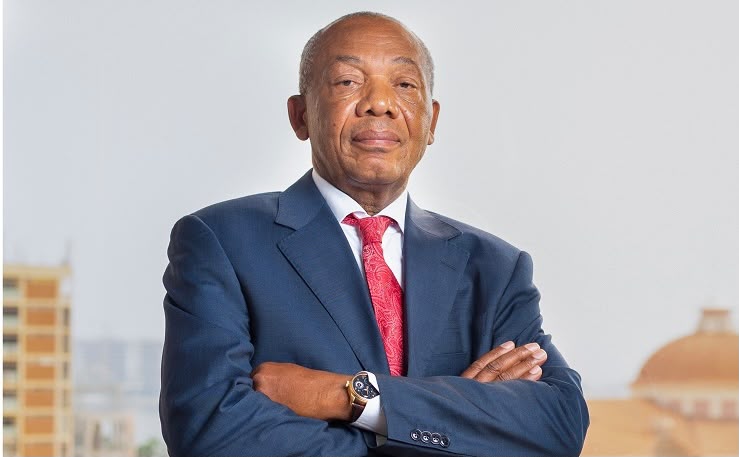
Angolan state-owned diamond miner Endiama’s Chief Executive Officer, José Manuel Augusto Ganga Júnior, confirmed the planned investment on 20 November, saying the acquisition remained commercially viable despite the downturn in global diamond prices.
The proposed acquisition forms part of a broader restructuring of De Beers’ ownership following Anglo American’s decision in 2024 to divest from its diamond business amid weakening demand, declining diamond prices and growing competition from lab-grown diamonds.
Botswana President Duma Boko announced on 9 November that Angola and Namibia would join Botswana, which currently holds a 15% stake in De Beers, as shareholders in the restructured company.
Botswana plans to double its shareholding to 30%, potentially making it the largest individual shareholder in De Beers, while Namibia has yet to officially confirm the size or cost of its proposed equity stake.
Anglo American currently holds an 85% interest in De Beers, with the Global Diamond Consortium (GDC), led by former De Beers Chief Executive Officer Gareth Penny, identified by Botswana as the preferred bidder. Oman is also participating in the proposed acquisition.
De Beers already has exploration interests in Angola through a partnership with Endiama, with the companies announcing the discovery of a new kimberlite field in August 2025.
Namibia, meanwhile, maintains a longstanding partnership with De Beers through its 50% shareholdings in Namdeb and Debmarine Namibia.
The acquisition of a direct equity stake in De Beers would extend Namibia’s participation in the global diamond industry beyond its domestic mining operations.
The proposed ownership restructuring comes amid mounting financial pressure on De Beers, whose carrying value has declined from US$9.2 billion in 2023 to approximately US$2.3 billion in 2026 following successive impairments.