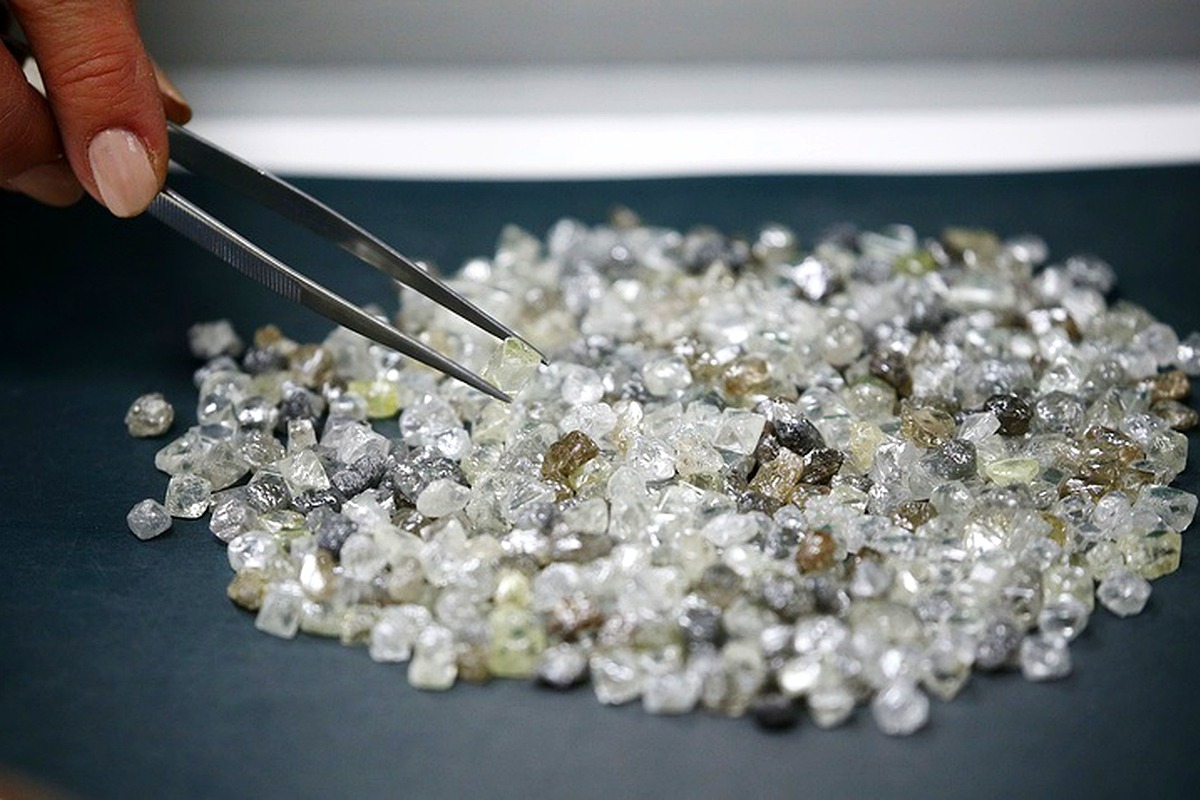
Namibia’s rough diamond export earnings declined 19.8% year-on-year to N$2.3 billion in the second quarter of 2026, as weak global demand, elevated inventories and competition from laboratory-grown diamonds continued to weigh on the industry.
According to the Bank of Namibia’s September 2026 Quarterly Bulletin, export earnings nevertheless increased 59.8% quarter-on-quarter, largely reflecting seasonal factors following a subdued first quarter, which is typically affected by sales breaks and lower trading activity.
The central bank said rough diamond trading conditions remained challenging during the first half of the year, with elevated inventories across the supply chain and competition from lower-cost laboratory-grown diamonds putting pressure on realised prices.
“Rough diamond trading conditions remained challenging in the first half of 2026, as the geopolitical and macroeconomic landscape remains uncertain, with the conflict in the Middle East adding to economic and consumer confidence risks,” the Bank said.
Diamond production also declined during the quarter, falling 1.7% quarter-on-quarter and 3.2% year-on-year to 504,891 carats.
The Bank attributed the decline in production to mine planning, continued production cuts and scheduled maintenance on mining vessels.
Laboratory-grown diamonds continued to weigh particularly on demand for lower-value natural diamonds, increasing competitive pressure in more price-sensitive segments of the market.
However, stronger prices for higher-value natural diamonds helped keep the overall average diamond price index broadly stable during the quarter.
The pressure on Namibia’s rough diamond exports coincided with a continued deterioration in global polished diamond prices.
The Zimnisky Global Polished Diamond Index declined 20.1% year-on-year and 9.1% quarter-on-quarter to 65 index points during the second quarter.
The decline was attributed to weaker consumer demand in China, softer demand in the United States, competition from lower-priced laboratory-grown diamonds, elevated inventories in the midstream market and cautious purchasing by retailers.
Major diamond producers continued to reduce production and adopt selective sales strategies in an effort to stabilise the market, although the measures were not sufficient to reverse the decline in polished diamond prices during the period.