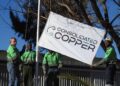
Serval Resources has repaid N$23.15 million (£1 million) in outstanding debt linked to its acquisition of Kalahari Copper Limited (KCL), ahead of a 20,000-metre drilling programme at its Kaoko Basin Project in northwestern Namibia.
The repayment reduces the company’s outstanding deferred acquisition consideration from N$46.3 million (£2 million) to N$23.15 million (£1 million), lowering its future interest payment obligations.
Serval said its board had reviewed the company’s cash position to minimise shareholder dilution while ensuring that its planned Namibian drilling programme remained fully funded.
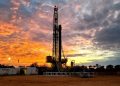
The company is mobilising two diamond core drilling rigs and supporting equipment to its Namibian projects, with the establishment of a drilling camp and local team scheduled for December 2026.
The drilling campaign will be undertaken in two phases, with approximately 6,000 metres scheduled for completion in the first quarter of 2027 and a further 14,000 metres in the third quarter.
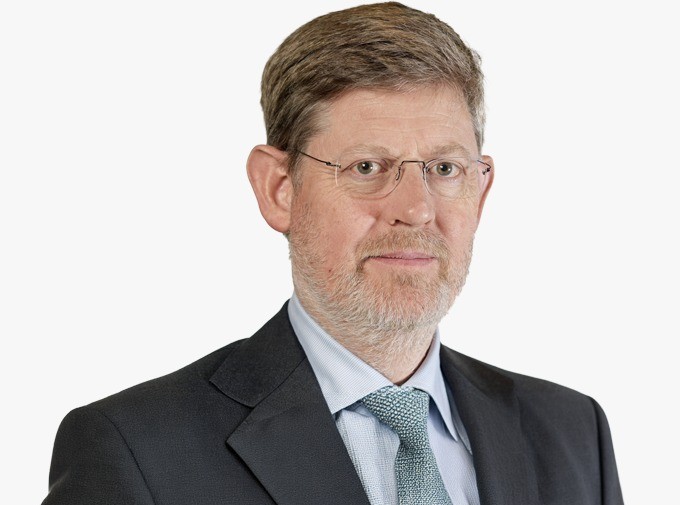
Serval Resources Chief Executive Officer Robin Birchall said the company had made progress in identifying priority drilling targets ahead of the campaign.
“We have maintained a fast pace of progress with our Namibian fieldwork in order to commence our drilling programme as soon as our partner, Capital Drilling, has completed mobilisation at site. We continue our approach of systematic exploration, with each phase designed to build upon the knowledge of the last,” Birchall said.
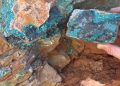
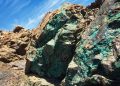
Recent geophysical surveys at the Otjozongombe West and Omatapati prospects have identified high-priority copper-silver targets, including new exploration targets and anomalies in areas where previous drilling confirmed mineralisation.
Serval plans to integrate the survey findings with historical drilling results, geological mapping and ground magnetic surveys to prioritise drilling targets and reduce exploration risks.
The company holds four exploration licences covering 789 square kilometres within the Kaoko Basin, which is interpreted as an extension of the Central African Copperbelt.
More than 9,000 metres of drilling undertaken by the previous owner returned mineralised intersections, including 13 metres grading 5.03% copper equivalent and a further 13 metres grading 3.32% copper equivalent.