NamPower expects to bring 95 megawatts (MW) of new electricity generation and battery storage capacity online by the end of 2026, as the utility expands domestic power infrastructure to reduce Namibia’s dependence on electricity imports.
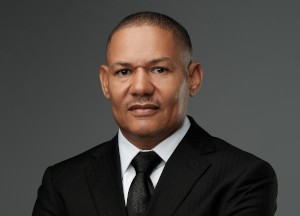
NamPower Chief Operating Officer Ben Mingeli said the planned capacity comprises the 44 MW Diaz Wind project and the 51 MW Omburu battery energy storage system, both scheduled for completion before the end of the year.
The two projects form part of NamPower’s broader electricity infrastructure expansion programme, which targets 549 MW of additional capacity over the next five years.
“The immediate pipeline includes the 44 MW Diaz Wind project and the 51 MW Omburu battery energy storage project, both scheduled for completion by the end of 2026,” Mingeli said.
He said the utility was also pursuing several longer-term electricity generation developments, including the proposed 195 MW Baynes hydropower project and additional renewable energy investments.
“Beyond these developments, NamPower’s generation programme includes the proposed 195 MW Baynes hydropower project and a further 325 MW of capacity under consideration through several developments,” he said.
The proposed developments include 50 MW of solar and wind capacity, 45 MW of additional generation capacity, 80 MW of solar photovoltaic capacity at Omburu, a further 40 MW of capacity and 120 MW from solar photovoltaic hybrid projects.
The expansion programme comes as Namibia seeks to increase domestic electricity production and reduce its historical dependence on imported power, particularly during periods of drought when hydropower generation is constrained.
According to NamPower, domestic electricity generation has exceeded 50% of national demand over the past three years. However, local generation remains vulnerable to changes in water availability and generation costs, affecting the utility’s ability to maintain consistent supply.
NamPower expects renewable electricity generation to meet the country’s entire domestic electricity demand during certain periods by 2029, potentially creating surplus power that could be stored or exported to regional markets.
However, the utility warned that electricity supply constraints would persist during night-time hours, particularly during dry seasons when reduced water availability affects production at the Ruacana hydropower station.
Mingeli said additional flexible and dispatchable electricity generation would be required to complement renewable energy sources and maintain a reliable electricity supply.
“NamPower has therefore identified the need for flexible and dispatchable generation to complement renewable energy sources. Longer-term options under consideration include gas-to-power, fuel-based generation, additional hydropower developments and potentially nuclear energy through small modular reactors,” he said.
The utility’s expansion programme forms part of its Integrated Strategic Business Plan, which also prioritises investment in transmission infrastructure to accommodate new generation projects and strengthen the national electricity grid.
The planned transmission investments are intended to support the integration of renewable energy, improve electricity supply reliability and facilitate cross-border electricity trading.
Mingeli said NamPower’s long-term objective was to contribute towards Namibia’s target of achieving an 80% renewable energy share by 2050 while maintaining electricity security, reliability and affordability.
The utility expects its planned generation and storage investments to strengthen domestic electricity supply as demand increases from mining, manufacturing and other energy-intensive industries.