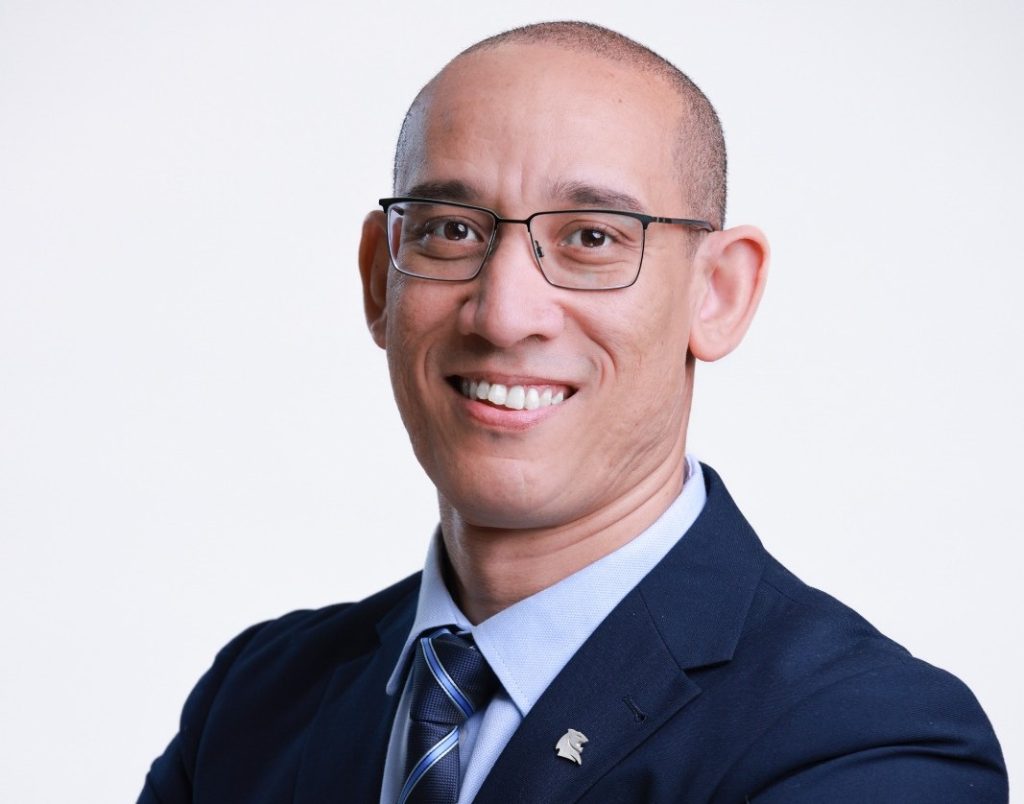
By Kegan Strydom
A mining strategy looks remarkably tidy when it is just a series of spreadsheets in a quiet office. You spend weeks interrogating ideas, refining the logic, and shaping a narrative that feels bulletproof.
But as I recently experienced at the Investing in African Mining Indaba in Cape Town, even the most well-structured perspective shifts the moment it is confronted by the full scale of global industry discourse.
There is a familiar dynamic many leaders will recognise: you enter a space where thousands are wrestling with the same questions, and your landscape suddenly expands. And the contrast between individual analysis and collective debate becomes impossible to ignore.
For Namibia, that experience was a vital reality check. Heading into the week, I believed I had our trajectory clearly mapped. The story felt sound: Uranium is ascending, Gold is surging, and Diamonds are navigating a necessary structural transformation.
But then, leaders like President Hakainde Hichilema of Zambia stepped onto the stage and reframed the entire conversation for the region.
Beyond Tonnes and Forecasts
What struck me most wasn’t the talk of production curves or price forecasts.
It was the call for a new kind of partnership—one that moves beyond “transactional extraction” toward long-term, shared value. This is the exact tension we navigate daily in African mining finance.
In my work structuring facilities across Namibia’s diverse landscape, I’ve learned that the technical elements—the covenant frameworks, hedging mechanics, and “waterfall” payment priorities—are just the baseline. They are necessary and rigorous, but ultimately insufficient.
The deeper question we must answer is whether our financial architecture genuinely enables prosperity.
I kept returning to conversations I’d had with clients just a week prior: How do we balance commercial imperatives with national development? How do we attract international capital while anchoring tangible benefits in local communities? In today’s market, the economics must work, but the social license must be just as strong.
Infrastructure: The Great Accelerant
Before the Indaba, I viewed Namibia’s infrastructure—our port capacity, rail networks, and water availability—largely as a list of structural constraints.
However, the discussions on “strengthening the pillars of progress” flipped that script. Infrastructure shouldn’t be seen as a hurdle, but as an accelerant. Every dollar invested in a rail line or a desalination plant multiplies the value of the mineral beneath the ground. Every megawatt of reliable energy doesn’t just power a mine; it unlocks an entire region’s economic potential.
The real challenge is designing public-private partnerships (PPPs) that balance risk and reward fairly.
This is where collaboration is non-negotiable. Infrastructure finance sits at the intersection of mining houses, governments, and private capital. No single player can go it alone. The partnerships we talk about aren’t just “nice to have”—they are operationally essential for Namibia to remain competitive.
The High-Tech Reality Check
The modern mine is no longer just about moving ore; it’s about data, automation, and integrated systems.
During the week, I met with digital solution providers whose technology could help our mid-tier operators improve production while lowering their environmental footprint.
This has immediate financial implications.
At RMB Namibia, we see it clearly: the operators securing the most competitive financing terms aren’t always those with the biggest reserves. They are the ones with transparent governance, measurable community impact, and operational sophistication. In short, “doing good” is now a prerequisite for “doing well.” Projects that demonstrate credible sustainability performance consistently access cheaper capital and build better resilience against market volatility.
The Path Forward
Mineral resources alone have never been enough to build a nation.
What matters is the architecture we build around those resources: institutional humility, stakeholder inclusion, and a commitment to shared wealth.
This year’s theme, “Stronger Together: Progress through Partnerships,” didn’t feel like a corporate slogan; it felt urgent. The challenges facing African mining exceed the capacity of any single institution.
RMB Namibia’s commitment remains to finance a diversified sector that creates sustainable wealth while positioning our country as the continent’s mining destination of choice.
The resources beneath our feet matter, but it’s the relationships we build above ground that will determine if those resources translate into real progress for all Namibians.
* Kegan Strydom Mining Relationship Manager RMB Namibia