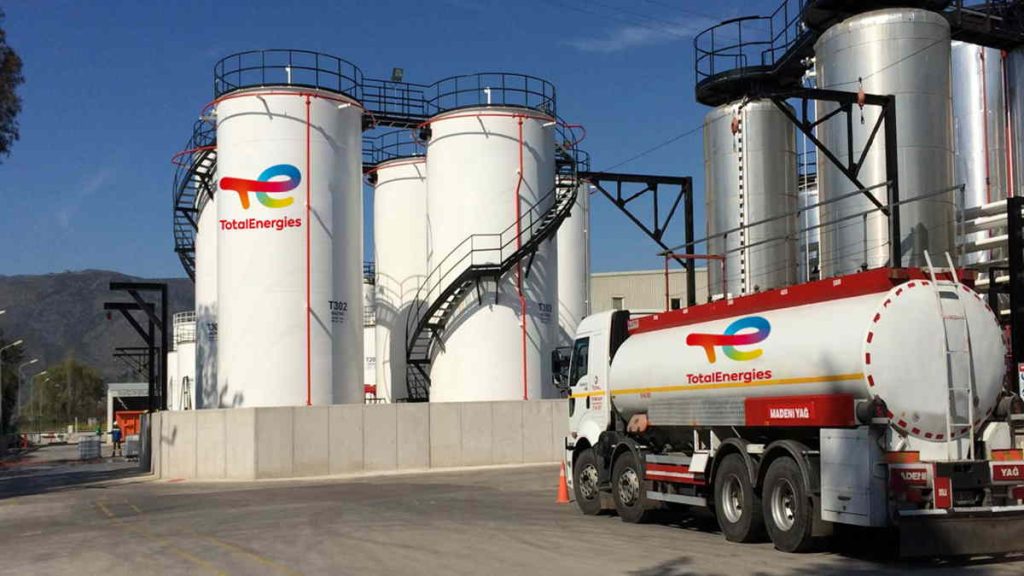
Namibia has awarded TotalEnergies the contract to supply about 345.3 million litres of petrol and diesel between November 2026 and January 2027, in a deal expected to save the country approximately N$220.5 million compared with the current supply arrangement.
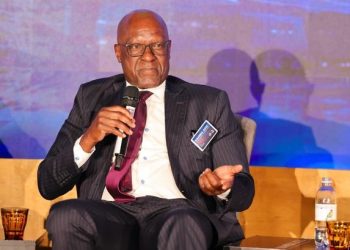
Minister of Industries, Mines and Energy Modestus Amutse announced on Monday that the TotalEnergies bidding group had emerged as the successful bidder following an open competitive bidding process, with its trading company, TOTSA, designated as the supplying member.
Under the three-month arrangement, TotalEnergies will supply approximately 246.9 million litres of diesel and 98.4 million litres of petrol, with the first shipment expected to arrive in November.
The winning bid offered a discount of 61 cents per litre on diesel and 71 cents per litre on petrol against the Basic Fuel Price (BFP), translating into a weighted average discount of 63.85 cents per litre.
According to the Ministry, the discount is expected to generate savings of about N$220.5 million over the three-month supply period. The savings will accrue to the national fuel price account, known as the slate, managed under the National Energy Fund.
The Ministry said the outcome marks a further reduction in Namibia’s fuel import costs after previous supply arrangements moved from suppliers charging premiums above the BFP to supplying fuel at the benchmark price.
All four companies that participated in the latest tender offered to supply fuel at discounts to the BFP, with none seeking a premium.
“For years, Namibia paid more than the Basic Fuel Price, the official reference price for imported fuel, to have its fuel supplied: suppliers charged a premium on top of that benchmark,” Amutse said.
“In the last supply round, the Ministry removed that premium entirely: fuel was supplied at the BFP itself, with nothing added. This round, we have gone a step further.”
Amutse said the N$220.5 million saving would strengthen the government’s ability to keep domestic pump prices stable.
The Ministry said bids were assessed based on bidder qualification, pricing, security-of-supply risks and the standing and track record of each supplier.
Amutse said the government would continue using competitive bidding to procure Namibia’s bulk fuel requirements while ensuring security of supply.