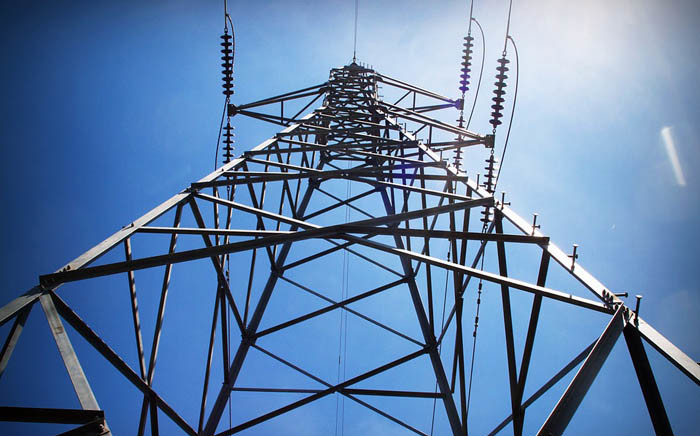
Transmission constraints on South Africa’s electricity network have forced Namibia to extend its moratorium on new electricity generation licences for export projects until January 2029, delaying additional private sector investment aimed at supplying the Southern African Power Pool (SAPP).
ECB Head of Stakeholder Engagement and Communication Nelson Ashipala said the Minister of Industries, Mines and Energy approved the extension of the moratorium, which will remain in force until 5 January 2029 or until the transmission constraints are resolved, whichever comes first.
Ashipala said although Namibia’s Modified Single Buyer (MSB) market framework allows independent power producers to develop generation capacity for export, limited capacity on South Africa’s transmission network continues to restrict electricity exports into the regional power pool.
He said issuing additional export generation licences under the current conditions would create regulatory obligations that the existing transmission network cannot accommodate.
“The renewal of the moratorium is therefore a responsible and prudent regulatory measure to protect the integrity of the Electricity Supply Industry and the interests of existing and prospective licence holders,” Ashipala said.
He said the ECB and NamPower are assessing available transmission capacity and will not consider new export licence applications until the assessment is complete or the transmission constraints have been addressed.
Despite the moratorium, renewable energy projects incorporating Battery Energy Storage Systems (BESS) for night-time exports, as well as independent power producers participating in transmission infrastructure upgrades, will be considered for exemption, subject to confirmation by the National Transmission Company of South Africa.
Ashipala said the moratorium is a targeted response to infrastructure limitations rather than a restriction on investment, adding that the ECB remains committed to supporting domestic electricity generation, as well as renewable energy, battery storage and hybrid projects that strengthen Namibia’s energy security.