A slowdown in activity in Namibia’s oil and gas sector has driven a sharp decline in foreign direct investment inflows, which fell to N$25.1 billion in 2025 from N$35.9 billion the previous year, according to the Bank of Namibia.
The central bank said the drop was largely due to reduced equity injections into oil and gas exploration and appraisal activities, alongside increased repayments of intercompany loans.
“Net foreign direct investment registered a lower net inflow in 2025 compared with the prior year, attributable to reduced equity injections for oil and gas exploration and appraisal activities, coupled with higher repayments of intercompany loans,” the Bank said in its 2025 Annual Report.
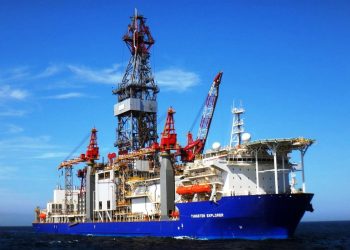
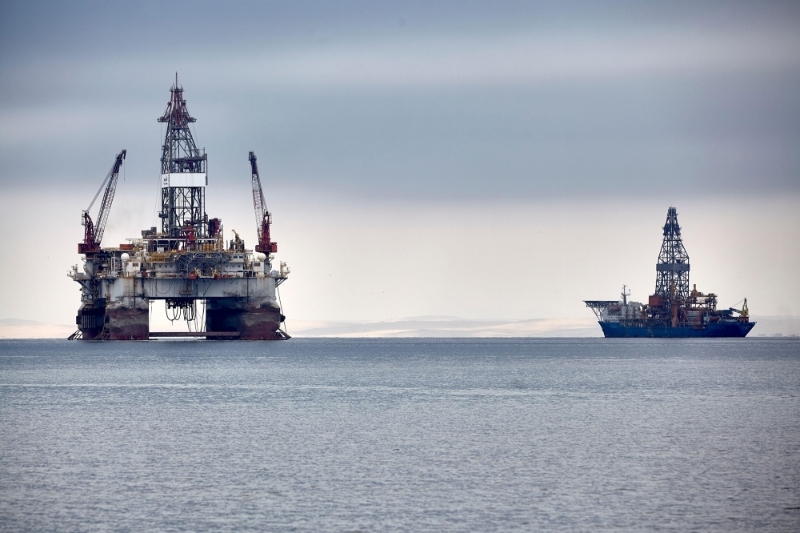
The decline reflects easing drilling activity, which had previously driven strong capital inflows into the sector.
“This pronounced decline was ascribed to decreasing expenditure in oil and gas exploration and appraisal as drilling activities eased,” the Bank added.
Despite the slowdown, the mining and quarrying sector remained the largest recipient of foreign investment, accounting for 67.1% of total FDI stock in 2025, although this was down by 1.9 percentage points from the previous year.
The financial and insurance services sector held the second-largest share at 16.4%, supported by continued foreign participation in the banking sector.
Manufacturing and wholesale and retail trade accounted for 5.7% and 3.4% respectively, highlighting the limited diversification of Namibia’s investment base beyond resource-driven sectors.
Other sectors recorded marginal growth of 0.6%, driven mainly by increased investment in renewable energy.
China remained the largest source of Namibia’s FDI liabilities, followed by South Africa. However, their combined share declined significantly to 41.6% from 52.6% in 2024.
“Although South Africa and China remained the principal sources of Namibia’s FDI in 2025, their combined share declined notably on the back of higher repayments of intercompany loans,” the Bank said.
At the same time, inflows from countries including the United Kingdom, Mauritius, the Gulf states, Portugal, France and the United States remained resilient, largely linked to ongoing oil and gas exploration programmes.
“These countries continued to deepen their engagement in Namibia’s emerging hydrocarbon sector, with sustained capital injections signalling growing investor confidence and progress in offshore exploration activities,” the Bank said.
Investment from other countries increased from 6.5% to 11.7%, driven by inflows from Luxembourg, Norway and Mexico into sectors such as financial services, transport and storage, tourism, and oil and gas exploration.