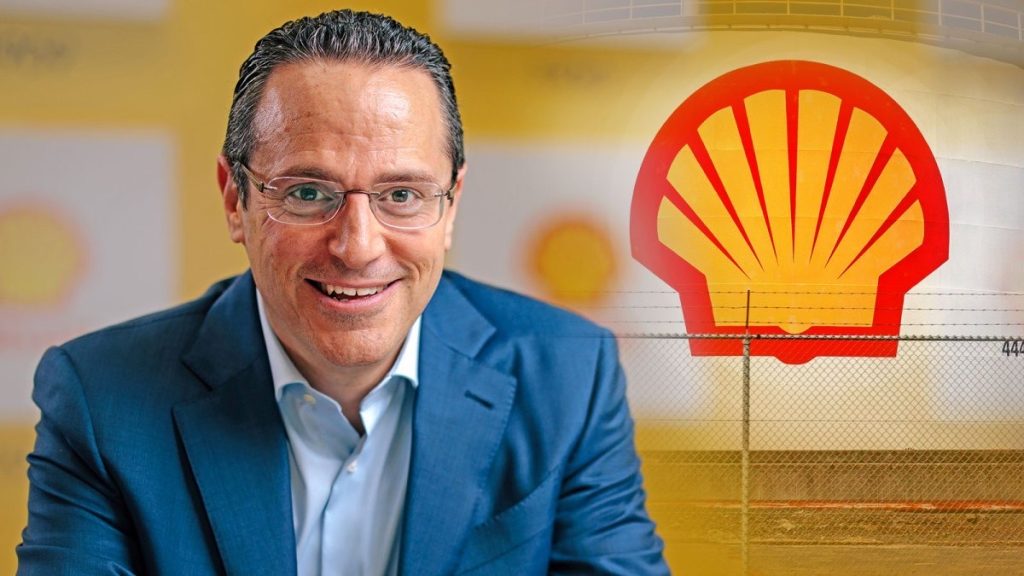
Shell plc says it will only proceed with new investments in Namibia’s offshore oil prospects if they meet the company’s strict return targets.
Chief Executive Officer Wael Sawan said the company remains interested in Namibia’s resources but will only commit further capital once profitability benchmarks are met.
“On Namibia, we continue to have a strong appetite to invest in Namibia, but such investment must meet our high return thresholds. We are prepared to move forward with an additional appraisal well for a new horizon if we determine there is a solid business case,” Sawan said.
Shell is currently assessing the viability of drilling another appraisal well as part of its evaluation process, with a final decision expected within the coming weeks.
“As we have said before, we like the volumes we discovered there. However, we were challenged by the high gas-to-oil ratios and by the movability of the fluid. Our focus has been to deepen our understanding of the results from our appraisal programme, using both our own subsurface data and insights from other operators in the basin,” Sawan said.
He added that the ongoing evaluation will allow Shell to build a more complete picture of the opportunity and determine the best development approach.
Sawan said Shell continues to pursue exploration opportunities in basins where it can operate competitively and apply its technical strengths.
“This includes leveraging our knowledge of the North Atlantic to unlock potential in areas such as South America and the Gulf of America, where we continue to drill and explore new prospects. We look forward to seeing the outcomes of these efforts in the period ahead,” he said.
Shell operates the PEL 39 licence off Namibia’s southern coast, covering 12,000 square kilometres.
The company holds a 45% stake, alongside QatarEnergy with 45% and Namcor with 10%, and has written down about US$400 million related to one of its discoveries.
Since the Graff-1X discovery in 2022, Shell has drilled nine wells in the block, including Graff, Jonker, and La Rona.
Some of these have encountered hydrocarbons, but Shell says technical and geological challenges, including high gas-to-oil ratios and fluid mobility issues ,have so far prevented confirmation of commercial viability.