Rhino Resources says Namibians account for 70% of its workforce, while about 80% of its project expenditure has been directed to local companies as the oil and gas explorer expands local participation in its operations.
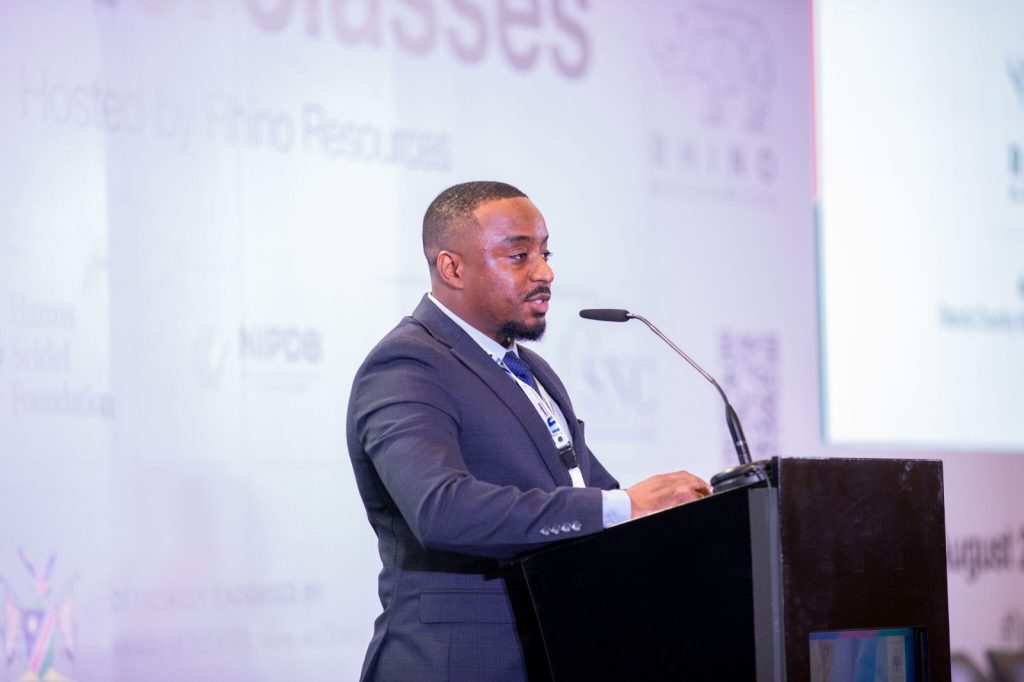
Speaking at the Namibia Oil and Gas Conference, Rhino Resources Deputy Country Manager Ndakolo Haiduwa said the company’s local content approach includes procurement from Namibian businesses, partnerships with local institutions and investment in skills development.
“Last year, I stood on this very stage to share figures that reflect our commitment, our transparency accountability and responsible stewardship towards the sector and towards Namibia. I announced that approximately 80% of our project expenditure had been directed to local companies, while 70% of our workforce was Namibian,” Haiduwa said.
He highlighted Rhino Resources’ use of a platform supply vessel owned by Namibian company Great Water as an example of local businesses securing opportunities in the emerging petroleum sector.
“Supplier readiness requires more than ambition, it requires technical capability, compliance and regulatory readiness, a strong safety management system, and a proven track record of professionalism and reliability. These are precisely the qualities we identified in Great Water and they demonstrated how local businesses can successfully position themselves to participate in the growing sector,” he said.
Haiduwa said expanding local procurement requires Namibian companies to develop the technical, regulatory and safety capabilities needed to meet oil and gas industry standards.
Rhino Resources has also partnered with Halliburton to develop technical skills through the Rhino-Halliburton Technology Centre at the University of Namibia’s Southern Campus in Keetmanshoop.
According to Haiduwa, more than 150 students have benefited from the centre, with selected students subsequently joining Rhino Resources’ first internship programme.
He said the programme exposes students to industry technologies and practices, while linking their training to the company’s ongoing drilling activities and providing practical experience from an active exploration project.
“This initiative embodies our commitment to developing local talent and aligning with Namibia’s broader development activities as we work towards a prosperous and sustainable future, even though we are just in an exploration phase that carries significant risks,” Haiduwa said.
He said building meaningful Namibian participation in the petroleum industry would require cooperation between government, industry, academia and communities rather than placing responsibility on individual companies or institutions.
“These initiatives collectively reflect a single belief. Local content may be the requirement, local upliftment is the responsibility, and lasting local prosperity must be the ambition,” Haiduwa said.
Rhino Resources’ local participation efforts come as Namibia seeks to ensure its emerging oil and gas industry creates domestic jobs, develops skills and generates business opportunities alongside investment in exploration and potential production.
Haiduwa said the development of Namibia’s petroleum resources should ultimately create lasting economic value and opportunities for Namibians.
“Today, we have the opportunity to honour this responsibility. And as we embrace the conference theme over the coming days, let us remain committed to building a future that is globally rooted, globally connected, open to all, a future built through partnership, a future that delivers lasting value, a future that benefits generations yet to come,” he said.