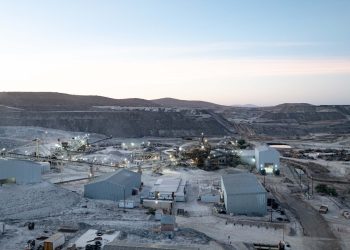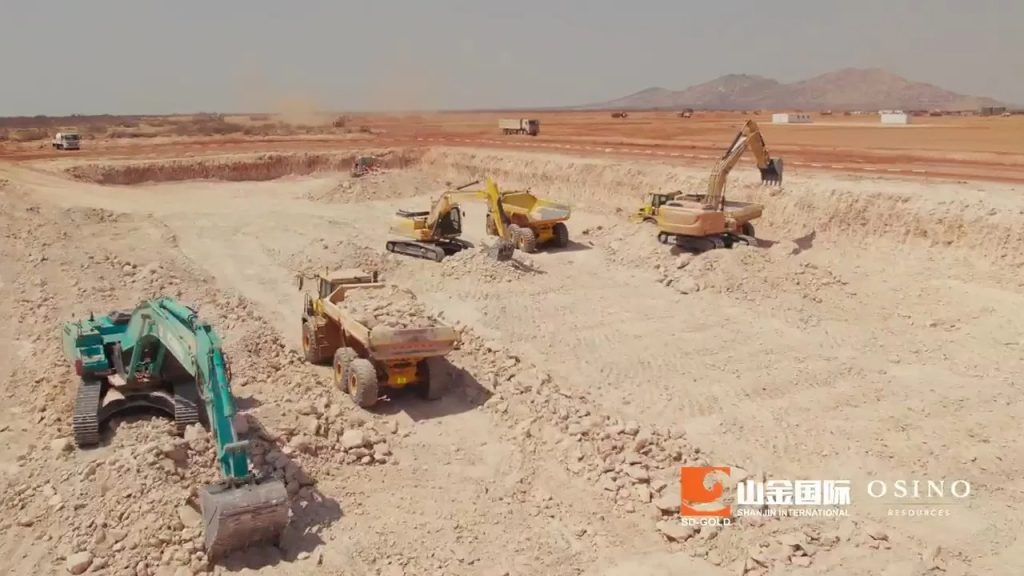
Namibia’s next major gold mine, the US$500 million Twin Hills Gold Project, is moving deeper into construction, with Osino Gold Resources targeting its first gold pour by around August 2027 as development activity ramps up at the site.
Osino Country Director Werner Schuckmann said construction has progressed steadily since work began in June 2025, with about 1,500 people now working at the site daily and more than 60 contractors involved in delivering the project.
Once operational, Twin Hills is expected to employ at least 1,000 people permanently, positioning the project as one of the country’s significant new mining operations and an important addition to Namibia’s gold production industry.
“We’ve been constructing the mine since June last year. Currently we’ve got 1,500 people on a daily basis working there, over 60 contractors. The whole project is going to cost US$500 million. We’re really excited. It’s a world-class project and hopefully by this time next year we’ll pour the first gold. We will then employ at least 1,000 people,” Schuckmann said during a panel discussion at the Chamber of Mines Mining Expo and Conference.
The development of Twin Hills is also expected to increase economic activity in the Omaruru, Karibib and Usakos areas through employment, local procurement and opportunities for businesses servicing the mine.
Osino is investing in community programmes alongside construction of the mine. Schuckmann said the company is supporting 31 early childhood development centres, which provide meals to about 1,000 children daily through a partnership with TWN.
Through the Trinity Trust, the company also plans to construct 100 houses for employees and members of surrounding communities.
“We are supporting 31 ECD centres in the area which feed 1,000 kids on a daily basis through the partnership with TWN. Through the Trinity Trust we’re going to build 100 houses for our employees and the community as a whole. There are lots of little things which we are very proud of,” he said.
Regulatory delays remain a challenge
However, Schuckmann warned that regulatory bottlenecks remain a risk to the pace at which Twin Hills and other major mining developments can be delivered in Namibia.
He singled out delays in Environmental Clearance Certificate approvals, uncertainty surrounding the Minerals Bill and lengthy work visa processes for specialist personnel as areas requiring improvement.
Schuckmann said large-scale mine construction requires specialised expertise that is not always available locally, making efficient visa processing important during critical stages of project development.
“One area where we still need improvement is the speed of decision-making. Environmental Clearance Certificates, the Minerals Bill and work visas all have an impact on project delivery. Construction projects require specialist skills and when people who’ve been here for two years have to restart the entire visa process, it creates unnecessary delays,” he said.
Twin Hills is expected to become one of Namibia’s major new gold-producing assets once commissioned, expanding the country’s mining base while bringing significant new investment and employment to the central regions.
Twin Hills in numbers
- US$500 million: Total estimated project cost
- 1,500: People currently working on site daily
- 60+: Contractors involved in construction
- 1,000+: Permanent jobs expected once operational
- June 2025: Construction commenced
- August 2027: Target for first gold pour
- 31: Early childhood development centres supported
- 1,000: Children receiving daily meals through the ECD programme
- 100: Houses planned for employees and surrounding communities
- 3 towns: Omaruru, Karibib and Usakos expected to benefit from employment, procurement and business opportunities