Namibia has been ranked 17th in the RMB 2025/26 Where to Invest in Africa (WTIIA) report, reflecting improved investor sentiment and greater macroeconomic stability.
The report highlights that Namibia scored strongly in economic stability, market accessibility, and innovation, placing it among the continent’s top 20 investment destinations.
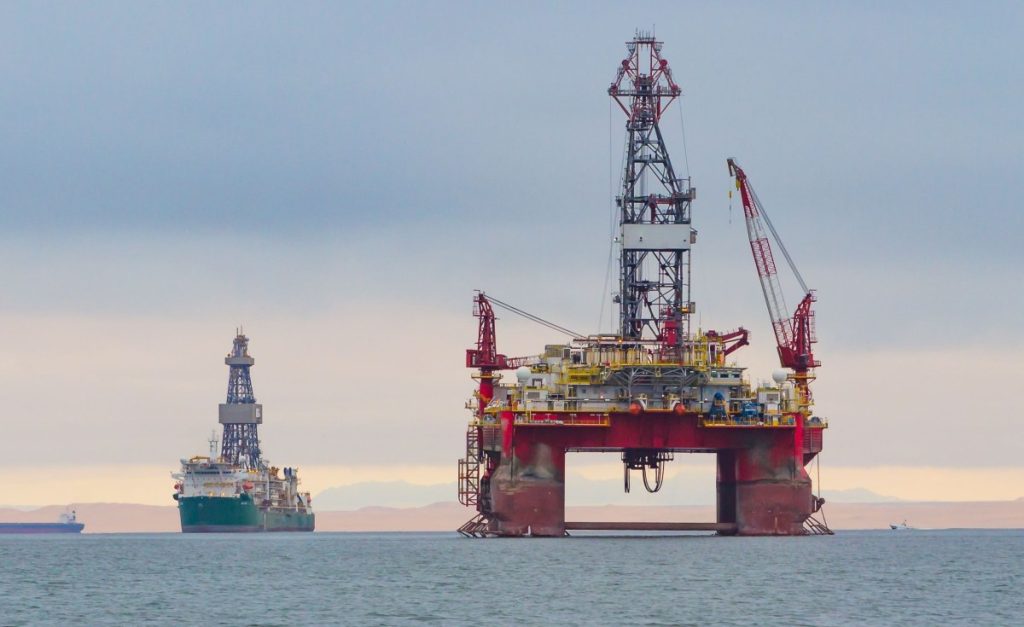
The publication attributes the country’s improved standing to recent offshore oil and gas discoveries, which have the potential to diversify the economy and support long-term growth. RMB noted that these developments could lift Namibia’s economic growth by up to 8% over the next decade.
“The country is poised for significant potential growth because of recent offshore oil and gas discoveries. This could be key in Namibia’s move away from reliance on extractive industries and diamond exports, with leaders predicting potential for an 8% boost to economic growth in the next 10 years,” the report stated.
The 2025/26 edition describes Namibia’s investment landscape as one of both opportunity and contrast. With a population of about three million spread across 825,000 square kilometres, the country remains one of the world’s least densely populated.
Despite its 1,500-kilometre Atlantic coastline, RMB notes that Namibia continues to face water scarcity and recurring droughts, which constrain agricultural production.
The report also observes that while Namibia remains among the world’s most unequal societies, it retains the economic resilience to transition away from dependence on extractive industries and diamond exports.
“A path away from the country’s heavy reliance on extractive industries and diamond exports, and towards prosperity, may lie in recent offshore oil and gas finds,” the report noted.
Namibia’s economic challenges include an unemployment rate of around 20% and persistent income inequality. The International Monetary Fund (IMF) projects average medium-term growth of about 3%, although resource-led expansion could accelerate performance if managed effectively.
The report emphasises that inclusive economic growth and broad-based participation are key to addressing disparities and unlocking long-term opportunity.
Regionally, Namibia ranks among Africa’s more stable and accessible markets.
“Seychelles, Mauritius, Egypt, South Africa and Morocco retained the top five positions in the index, while several countries, including Nigeria, Mozambique, Côte d’Ivoire, Zambia and Senegal, recorded significant movements,” the report said.
The 2025/26 WTIIA report, themed “From Aid to Investment and Trade,” reflects a shift across the continent from traditional aid models to investment-led partnerships. RMB said this transition is reshaping Africa’s growth priorities around sustainability, regional collaboration, and private-sector participation.