Namibia’s Ministry of Industries, Mines and Energy is reviewing the proposed approval of six new electricity generation facilities planned across the country, following a recommendation by the Electricity Control Board (ECB).
The ECB has advised the ministry to approve the facilities, which include a mix of diesel and solar photovoltaic generation intended for own consumption, off-grid use and mining supply.
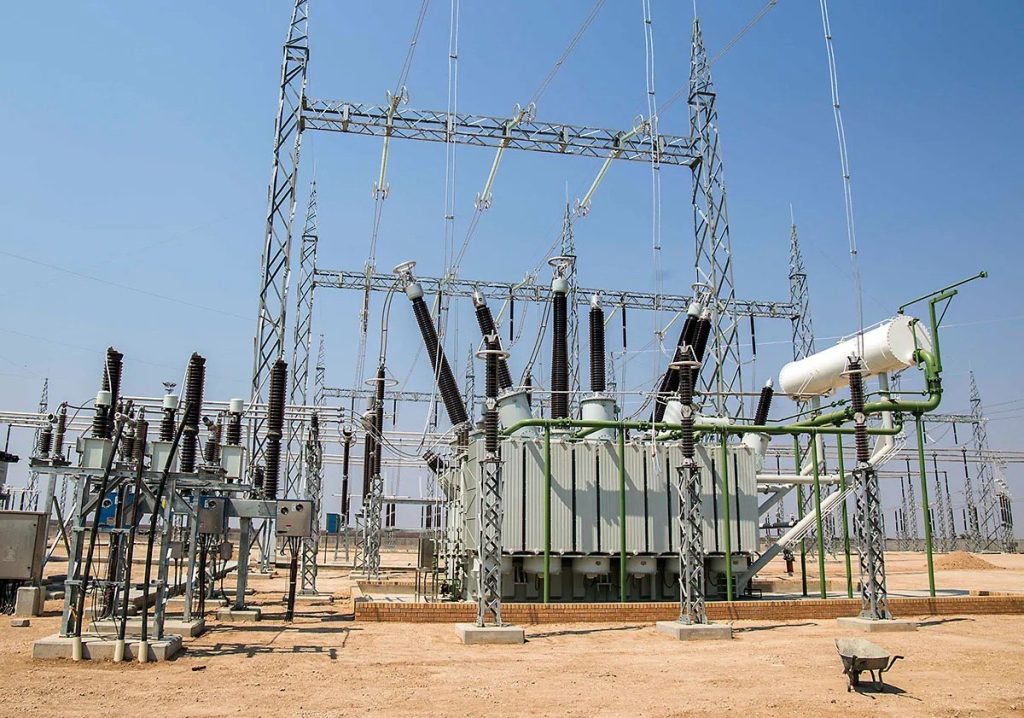
The projects comprise a 1.08 MW diesel generation plant by Beefcor Meat Suppliers (Pty) Ltd in Okahandja for own consumption; a 450 kVA diesel and 249.56 kWp solar PV hybrid system by Namibia Marble & Granite (Pty) Ltd in Karibib for own use; a 1 MW diesel generator by NamPower at Gerus; a 1 MW diesel generator by NamPower in the Zambezi Region; a further 450 kVA diesel and 414.88 kWp solar PV hybrid system by Namibia Marble & Granite (Pty) Ltd in Karibib for off-grid own consumption; and a 23.03 MW solar PV plant by Massaus & Titan Energy (Sino-Mine Solutions) in Tsumeb intended to supply a mine.
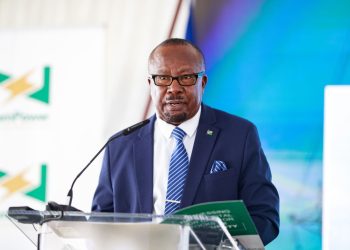
ECB Chief Executive Officer Robert Kahimise said the approvals align with the Modified Single Buyer (MSB) market framework.
“That aligns with the market that we have opened, which is the MSB, and it has been modified. In addition, the Board also approved permission for Osona to operate under the licences of CENORED, as well as the distribution and supply licences of the SORED shareholders,” Kahimise said.
He said the Board also approved several regulatory instruments to support the development of the electricity supply industry.
These include the NamPower Bulk Tariff Review Plan for the 2026/2027 financial year, which has been cleared for implementation; the Electricity Vending Guidelines, which are awaiting ministerial endorsement before stakeholder notification and rollout; and the Distribution Losses Targets Framework, which is also subject to ministerial approval prior to implementation.
The Board also approved the submission of the ECB’s ISO 9001 certification for its Business Implementation Management System, as well as the Early-Stage Readiness Assessment for ISO 55001, both of which will be submitted to the ministry once ministerial approval is secured.
“This framework model was also approved by the Board. In addition, as an organisation, we have adopted ISO 9001 for our Business Management System to operate as a world-class institution that can be benchmarked globally and remain responsive to stakeholders,” Kahimise said.