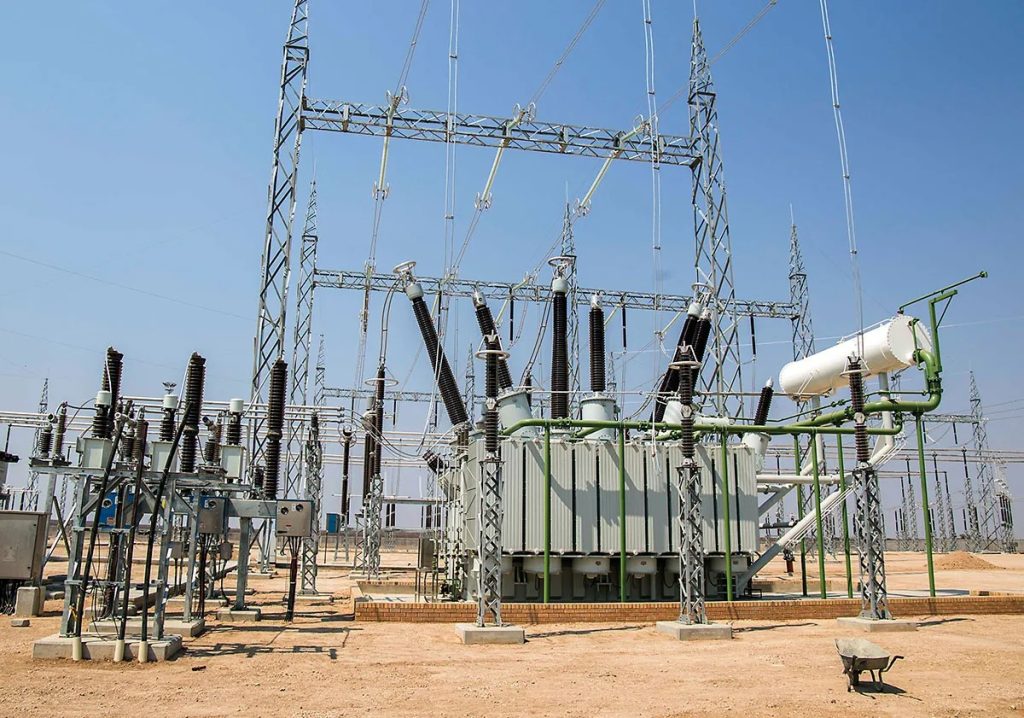
Namibia imported more than half of its electricity in January 2026, with local generation accounting for 46.7% of supply and imports making up 53.3%, according to the Namibia Statistics Agency (NSA).
A total of 458,193 MWh of electricity was supplied to the domestic economy during the month, of which 214,134 MWh was generated locally and 244,058 MWh was imported.
Ruacana Power Station remained the main source of local generation, producing 165,271 MWh, or 77.2% of domestic output. Independent Power Producers contributed 43,178 MWh (20.2%), while the Omburu solar plant generated 5,510 MWh (2.6%).
Diesel generation was minimal, with Anixas 2 producing 173 MWh and Anixas 1 just 3 MWh. Van Eck Power Station recorded no output.
Electricity imports increased 21.4% month-on-month in January, reversing a 12.9% decline recorded in December. On an annual basis, imports rose 31.5%.
South Africa supplied 51.8% of imports, followed by Zambia at 27.3% and Zimbabwe at 16.0%. Smaller volumes came from Eskom’s Orange River system and the Southern African Power Pool.
Electricity sales rose to 401,323 MWh from 347,374 MWh in December, but remained below the 419,808 MWh recorded in January 2025.
Domestic sales reached 317,935 MWh, with regional distributors accounting for 68.1% of consumption, followed by the mining sector at 22.9%.
Electricity exports surged 131% month-on-month to 83,387 MWh, although this was 10.3% lower than a year earlier. Most exports were directed to the Southern African Power Pool, with smaller volumes going to Botswana, South Africa and Angola.
The data highlights Namibia’s continued reliance on imported electricity despite ongoing efforts to increase local generation capacity.