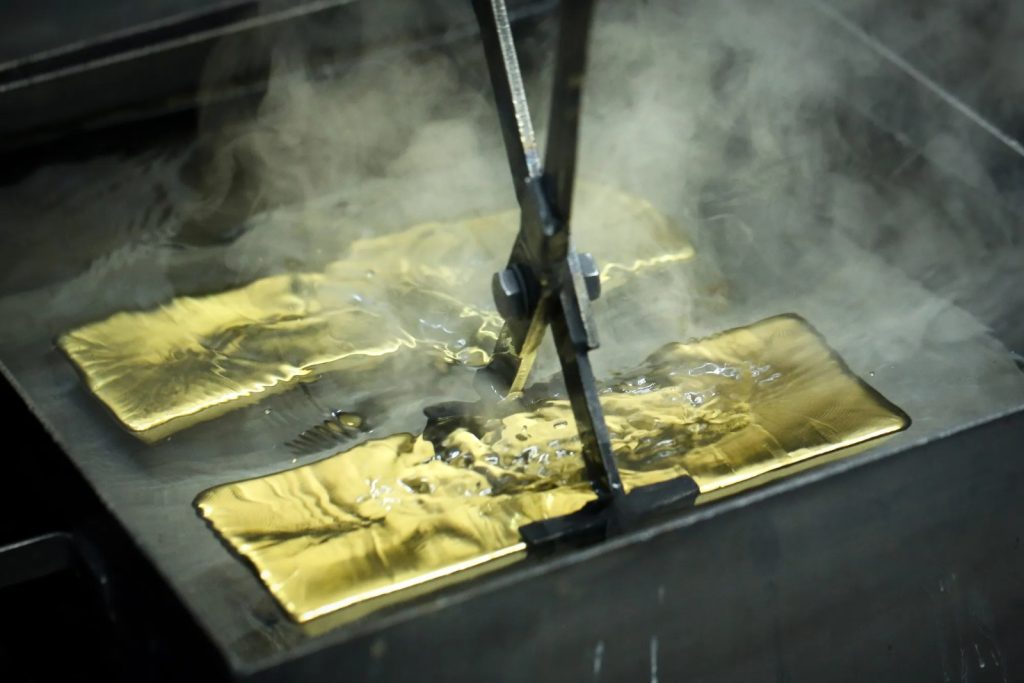
Gold is entering 2026 from a position of exceptional strength, with market conditions pointing to a structural re-pricing rather than a cyclical peak, according to investment firm Simonis Storm.
Max Rix, Head of Investments at Simonis Storm, said gold prices rose by about 70% during 2025, climbing from the low US$2,700 per ounce range at the start of the year to above US$4,500 by year-end.
Rix said the importance of the rally lay not only in the scale of the price increase, but in a fundamental shift in market structure. He noted that the drivers behind the gains were structural in nature, rather than short-term or cyclical forces.
Simonis Storm has set a 2026 gold price framework of between US$4,700 and US$4,900 per ounce, with a central year-end target of around US$4,800. This implies a more modest upside of about 5% to 8% from current elevated levels.
“The magnitude of the 2025 move was historically rare, but more important than the price action itself was the change in market structure underneath it,” Rix said. “The forces lifting gold were not transitory. They reflect structural shifts in demand, ownership and the broader macroeconomic regime.”
He said gold’s performance over the past year marked a clear break from traditional models that closely link the metal’s price to real yields. During 2025, gold continued to rise even as real yields remained positive and, at times, high by historical standards.
According to Rix, this divergence points to a shift in the profile of the marginal buyer, with official sector demand emerging as the dominant structural force in the market.
Central banks are estimated to have accumulated about 137 tonnes of gold in the final quarter of 2025 alone, almost matching net purchases recorded during the first eight months of the year combined. On an annualised basis, this suggests demand comfortably above 500 tonnes, absorbing a significant portion of net mine supply and reducing the amount of gold available for trading.
“Central bank purchases are strategic and balance-sheet driven, and largely insensitive to short-term price movements,” Rix said. “Once acquired, gold is rarely sold back into the market, which materially reduces effective supply.”
Rix added that the broader macroeconomic environment is becoming more supportive for gold as monetary policy shifts from restrictive to easing, with expectations of cumulative interest rate cuts as global growth slows. Persistent fiscal expansion and rising public debt levels are also reinforcing gold’s role as a long-term store of value.
He said these factors have reduced downside risk, making a sustained move back below the US$3,500 to US$4,000 range increasingly unlikely.
“Gold is functioning less as a tactical inflation hedge and more as a long-duration store of value and monetary alternative,” Rix said. “Those price levels now represent structural support rather than upside targets.”
The bullish outlook comes as the Chamber of Mines of Namibia says the sharp rise in global gold prices, together with ongoing project development, is boosting export earnings, fiscal revenues and investor sentiment in Namibia.
According to the Chamber, the average gold price in October 2025 reached US$4,058.33 per troy ounce, the highest monthly average on record. This was 70% higher than in 2024, representing a 51% year-on-year increase and an 11% rise compared to September 2025.
The Chamber said the sustained rally reflects strong investor demand driven by elevated global inflation, geopolitical uncertainty and expectations of lower United States interest rates, reinforcing gold’s status as a safe-haven asset and positioning Namibia as a competitive and reliable gold producer.