Namibia’s diamond sector faces mounting pressure from structural changes in the global market, with Namib Desert Diamonds (Namdia) warning that policy reform and stronger industry coordination will be critical to sustain the sector.
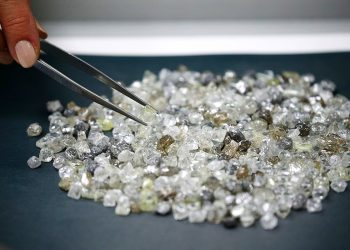
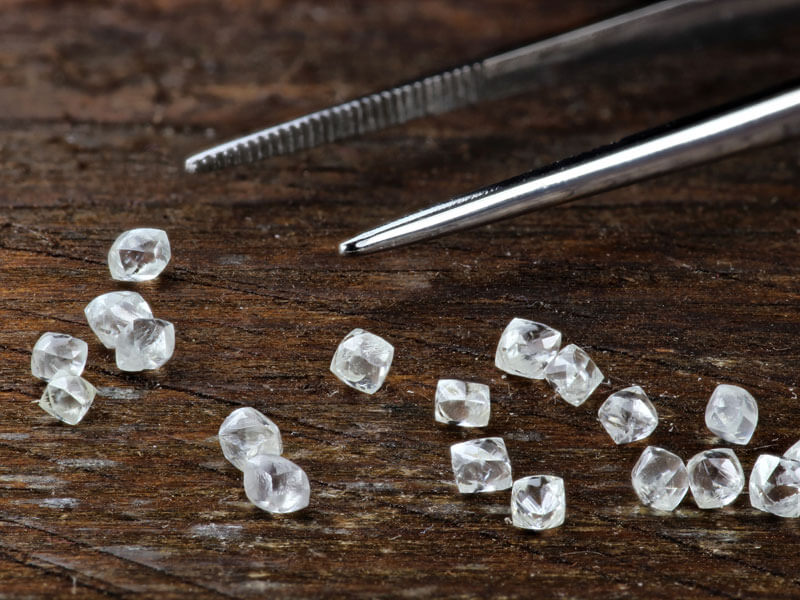
The state-owned diamond marketing company said Namibia’s position as a producer of high-quality stones remains a key advantage, with around 95% of output classified as gem quality. However, it cautioned that the country has yet to translate this into stronger global market positioning.
“Unlike other producing countries that have successfully cultivated strong origin-based branding, Namibia has yet to fully articulate a unified national diamond narrative,” Namdia said.
The company said Namibia continues to market its diamonds largely through individual corporate channels rather than as a consolidated national product, limiting its ability to capture premium value in global markets.
It called for the development of a clear national identity built around origin, ethical sourcing, quality and socio-economic impact.
“A consistent Namibian diamond identity rooted in origin, ethics, exceptional quality and tangible socio-economic benefits could anchor long-term value creation,” Namdia said.
Namdia stressed that achieving this will require alignment across the value chain, including government, producers, traders, regulators and downstream players.
“The Namibian diamond story cannot be advanced at an entity level. It must be driven collectively,” the company said.
At the same time, Namdia raised concerns about the viability of local beneficiation, warning that current policy settings risk undermining competitiveness.
High labour costs, rigid labour frameworks, reduced investor incentives and additional tax burdens have eroded Namibia’s ability to compete with established diamond manufacturing centres.
“Without regulatory reform that aligns ambition with market realities, beneficiation risks becoming a constraint rather than a catalyst,” Namdia said.
The warning comes as the global diamond industry undergoes a structural shift, driven by geopolitical uncertainty, evolving consumer preferences and the rapid expansion of lab-grown diamonds.
Lab-grown stones are estimated to have captured around 20% of the market, while rising gold prices have increased the cost of jewellery and dampened demand in key consumer markets.
Namdia said the impact is already evident across producing regions, with slower sales, rising inventories and some mining operations scaled back.
“Stockpiles have grown, sales cycles have slowed and in some regions mining operations have been reduced to maintenance levels,” it said.
Despite these headwinds, Namibia’s high proportion of gem-quality diamonds offers a pathway to differentiation, particularly as the industry adjusts to lower volumes and tighter margins.
“In an increasingly competitive market, differentiation is no longer optional. Provenance, quality and scarcity remain key drivers of value,” Namdia said.
The company expects the global industry to undergo consolidation as weaker players exit and excess supply is absorbed.
“Production will contract, weaker players will exit and the industry will shrink in scale. Yet within this contraction lies the potential for renewal,” Namdia said.