Only one out of every 1,000 mineral exploration projects ultimately develops into a producing mine, highlighting the high-risk nature of exploration and the need for supportive policies to attract investment, according to the Chamber of Mines of Namibia.
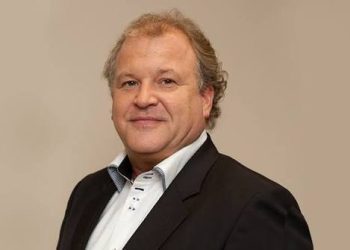
Chief Executive Officer Veston Malango made the remarks during a stakeholder engagement hosted by the Namibia Revenue Agency (NamRA) in Windhoek, where discussions focused on the tax treatment of the sale of shares or interests and the transfer of mineral and petroleum licences.
“Out of a thousand exploration projects, only one may even become a mine. The failure rate is very high, so exploration is extremely risky and it is not easy to raise exploration funding,” Malango said.
He explained that exploration represents the starting point of the mining value chain, which begins with geological surveys and prospecting before progressing to mining, mineral processing and the production of refined minerals.
“Exploration is the nursery of future mines. It creates a pipeline of future mines and the sustainability of mining depends on exploration,” he said.
Malango noted that the long development timelines associated with mining projects further increase financial risk for investors, as it typically takes between 10 and 20 years for an exploration project to progress to full mine production.
He said many holders of exploration licences spend years trying to secure investors, with a large number of licences remaining inactive due to funding constraints.
According to Malango, a significant number of Exclusive Prospecting Licences (EPLs) remain dormant as companies continue searching for capital to undertake exploration work.
Despite these challenges, he said Namibia has been able to attract significant exploration investment due to its stable policy environment, well-developed geological database and established mining framework.
Malango said exploration spending in Namibia recently reached a historic milestone.
“For the first time since independence, exploration investment exceeded one billion Namibia dollars,” he said.
More than N$1.23 billion was invested in exploration activities in 2024, representing a 38% increase from the N$892 million recorded in 2023, a development he said reflects growing confidence in Namibia as a mining investment destination.
He emphasised that maintaining favourable fiscal conditions remains critical to sustaining exploration investment, particularly given the long lead times before projects begin generating revenue.
Malango said one of the key incentives attracting exploration investment to Namibia is the ability for companies to deduct exploration expenditures for tax purposes once a project becomes operational.
“That is one of the most attractive aspects of Namibia’s mining fiscal regime,” he said.
He added that continued collaboration between government and the mining industry has helped address regulatory challenges in the past, including issues relating to value-added tax (VAT) registration for exploration companies, which previously made it difficult for explorers to claim input VAT.
Malango said addressing such policy and administrative barriers remains important to ensure exploration investment continues to grow and support the long-term development of Namibia’s mining sector.