Headspring Investments has received approval from the Namibian government to drill additional boreholes at its Wings Uranium Project as the company advances technical and environmental studies ahead of proposed pilot testing.
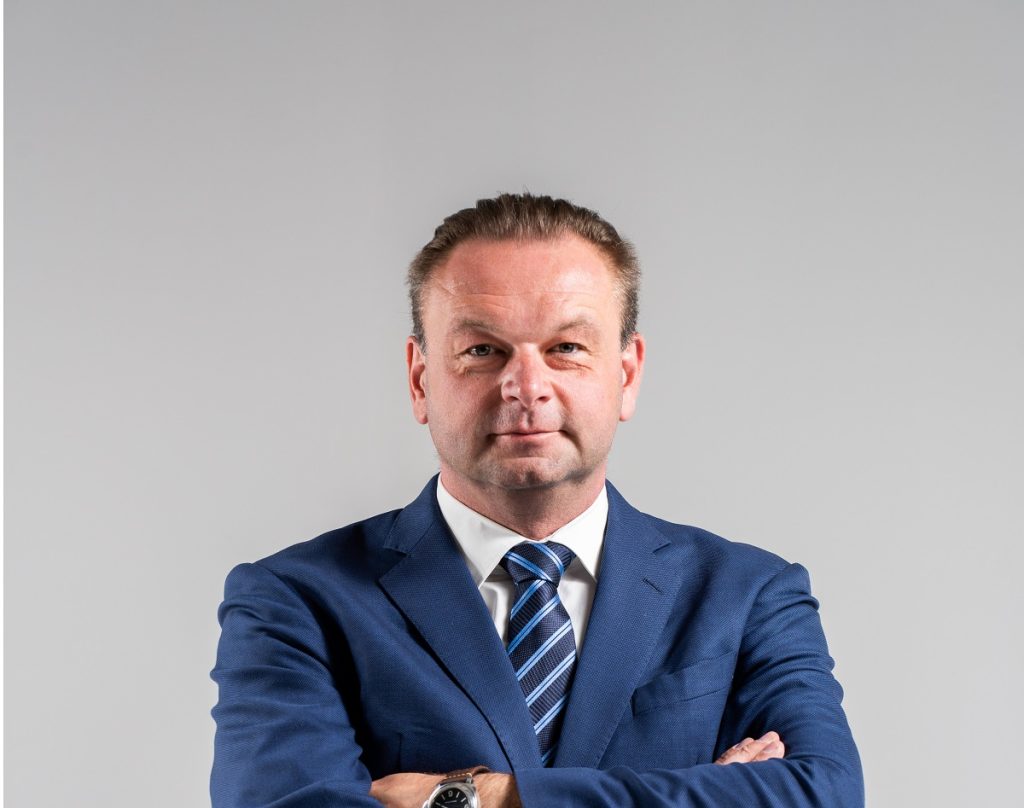
The company’s Managing Director, Kirill Egorov-Kirillov, said Namibia’s Ministry of Agriculture, Fisheries, Water Resources and Land Reform had authorised the drilling to collect groundwater samples and assess aquifer characteristics within the proposed testing area.
He said the approval followed recommendations from Namibia’s Ministry of Environment, Forestry and Tourism and experts from the International Atomic Energy Agency (IAEA).
The additional boreholes will allow the company to investigate groundwater quality and aquifer conditions to establish the technical and environmental parameters required for the proposed pilot testing programme.
Egorov-Kirillov said the current research phase would not involve the use of chemical reagents, with activities limited to drilling, groundwater sampling and further investigations.
He said previous studies had assessed the uranium deposit’s resource potential and indicated that it could be suitable for development using in-situ recovery (ISR) technology.
ISR involves recovering uranium from underground deposits through wells, rather than extracting ore through conventional open-pit or underground mining.
According to Egorov-Kirillov, ISR accounts for more than 60% of global uranium production, while the IAEA identifies the technology as one of the more environmentally safe uranium extraction methods.
The proposed pilot programme is intended to assess the technical feasibility and environmental performance of the recovery method under conditions specific to the project.
Egorov-Kirillov said Headspring would submit a revised application for pilot testing to Namibia’s Ministry of Environment, Forestry and Tourism once the additional groundwater investigations and technical studies had been completed.
The company will require further regulatory consideration before proceeding with the proposed pilot testing activities.
He said the project remained subject to government oversight, with engagement involving regulatory authorities, technical experts and local communities.
“We intend to deliver a project that will serve as a model for combining economic development with environmental protection and social responsibility. The approach adopted for this project is based on scientific research, regulatory oversight and transparent engagement,” Egorov-Kirillov said.
The approval allows Headspring to undertake additional groundwater investigations but does not authorise the commencement of uranium extraction or the proposed pilot testing programme.