Namibia’s net foreign direct investment (FDI) inflows more than doubled to N$11.4 billion in the second quarter of 2026, driven by increased foreign investment in mining projects and continued capital inflows into oil and gas exploration and appraisal activities.
The latest Bank of Namibia (BoN) data shows FDI inflows rose from N$5.5 billion in the first quarter of 2026 and were 67.6% higher than the N$6.8 billion recorded in the corresponding quarter of 2025.
The increase was largely driven by higher intercompany borrowing from foreign shareholders by mining companies, alongside equity injections into the sector.
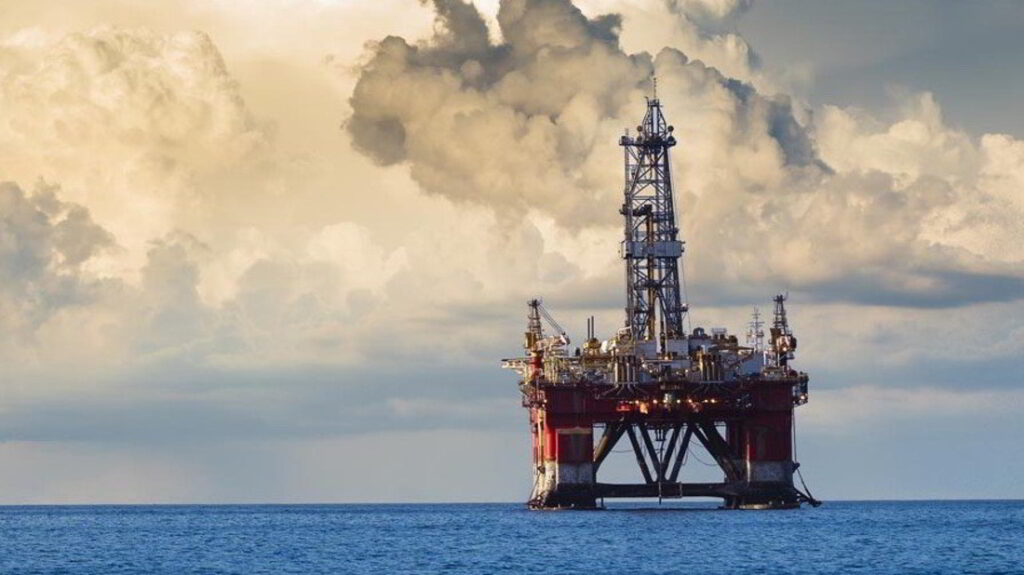
Foreign shareholders increased funding for the construction of new mines and the expansion of existing mining operations during the quarter, while investment in Namibia’s oil and gas exploration and appraisal activities continued to support overall FDI inflows.
“The quarterly and annual increase mainly reflected greater uptake of intercompany debt from foreign shareholders by entities in the mining sector, largely driven by investment in the construction of new mines and the expansion of existing mining operations,” BoN said in its September 2026 Quarterly Bulletin.
The central bank said net FDI inflows were also supported by continued investment in oil and gas exploration and appraisal activities.
The figures underline the growing role of Namibia’s extractive industries in attracting foreign capital as investment continues in mining developments and the country’s emerging upstream oil and gas sector.
Despite mining attracting increased foreign investment, output from the sector remained in negative territory during the second quarter, indicating that the increased capital flows were largely directed towards developing and expanding productive capacity rather than reflecting stronger current production.
The surge in FDI coincided with an acceleration in domestic economic activity, with Namibia’s real gross domestic product expanding by 4.8% year-on-year during the second quarter.
This was up from 3.1% in the first quarter and 1.7% in the corresponding period of 2025.
Growth was driven mainly by tertiary industries, particularly health, wholesale and retail trade, information and communication, and financial services.
Agriculture also maintained strong growth following favourable rainfall and a recovery in the national herd, while fishing activity expanded.
Investment activity strengthened more broadly, with real fixed capital formation expanding at a double-digit pace during the quarter.
The rise in FDI contrasted with portfolio investment, which recorded a net outflow of N$1.3 billion during the second quarter, reversing a N$865 million inflow in the preceding quarter.
The portfolio outflow was nevertheless below the N$3.6 billion recorded in the second quarter of 2025.
BoN attributed the quarterly reversal mainly to increased investment in foreign short- and long-term debt securities, while investments in listed and unlisted equities also contributed.
Other investment flows strengthened, with net inflows doubling to N$4 billion from N$2 billion in the first quarter and rising from N$2.6 billion in the corresponding quarter of 2025.
According to BoN, the increase was primarily driven by higher uptake of trade credits and advances linked to fuel imports, alongside withdrawals of foreign deposits by deposit-taking corporations as fuel re-export activity strengthened.
The second-quarter figures position mining and energy investment as major drivers of Namibia’s foreign capital inflows, with new mine developments, expansion projects and ongoing oil and gas exploration continuing to attract foreign funding.