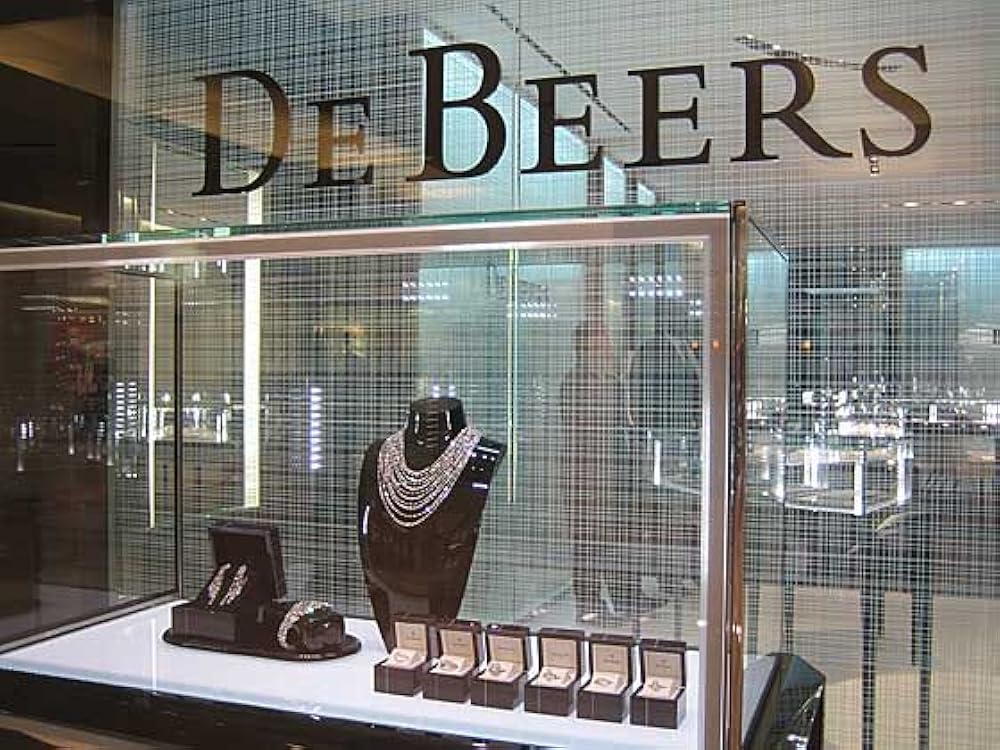
Namibia has initiated a review of its Diamond Sales and Marketing Agreement with De Beers Plc ahead of its expiry in 2026, as government seeks to increase local value addition and respond to declining sector revenues.
Minister of Industries, Mines and Energy Modestus Amutse said the agreement, which governs operations involving Namdeb, Debmarine, NDTC and Namdia, is being reassessed to ensure greater economic benefits are retained within the country.
“We have started the process to review this agreement with the aim of ensuring that more value addition of our diamonds is done inside Namibia to address unemployment, poverty and slow economic growth,” he said.
The review is being led by a government negotiating team comprising representatives from the Office of the President, Ministry of Finance, Ministry of International Relations and Trade, the National Planning Commission and the Bank of Namibia.
The move comes as the diamond sector faces mounting external pressures, with declining international prices, geopolitical uncertainty and increased competition from lab-grown diamonds weighing on performance.
Amutse said these factors contributed to a sharp drop in fiscal contributions, with diamond royalties falling to N$644 million in 2025.
“The diamond industry has been going through an exceedingly difficult period due to declining international prices, geopolitical developments and increased competition from lab-grown diamonds,” he said.
Demand has weakened in key markets such as the United States and China, while new tariff measures have further constrained trade. The United States has imposed a 50% tariff on polished diamonds from India and 15% on those from Namibia.
Government is also advancing regulatory reforms aimed at stabilising the sector, including a review of the Diamond Act of 1999 and restructuring of the diamond valuation office to improve royalty assessment and collection.
“The Ministry is reviewing the Diamond Act and strengthening valuation capacity to ensure that diamond royalties are properly assessed and collected on behalf of the State,” Amutse said.
The sector currently comprises 12 diamond manufacturing companies employing around 1,100 Namibians, with additional jobs supported across the value chain.
Authorities are also intensifying efforts to promote natural diamonds in response to shifting consumer preferences and competition from synthetic alternatives.
“We will focus on promoting natural diamonds regionally and internationally to strengthen consumer confidence and support the recovery of the industry,” Amutse added.
Government said its engagement with regional and international bodies, including the Africa Diamond Producers Association and the Kimberley Process Certification Scheme, will support efforts to restore growth and sustainability in the sector.