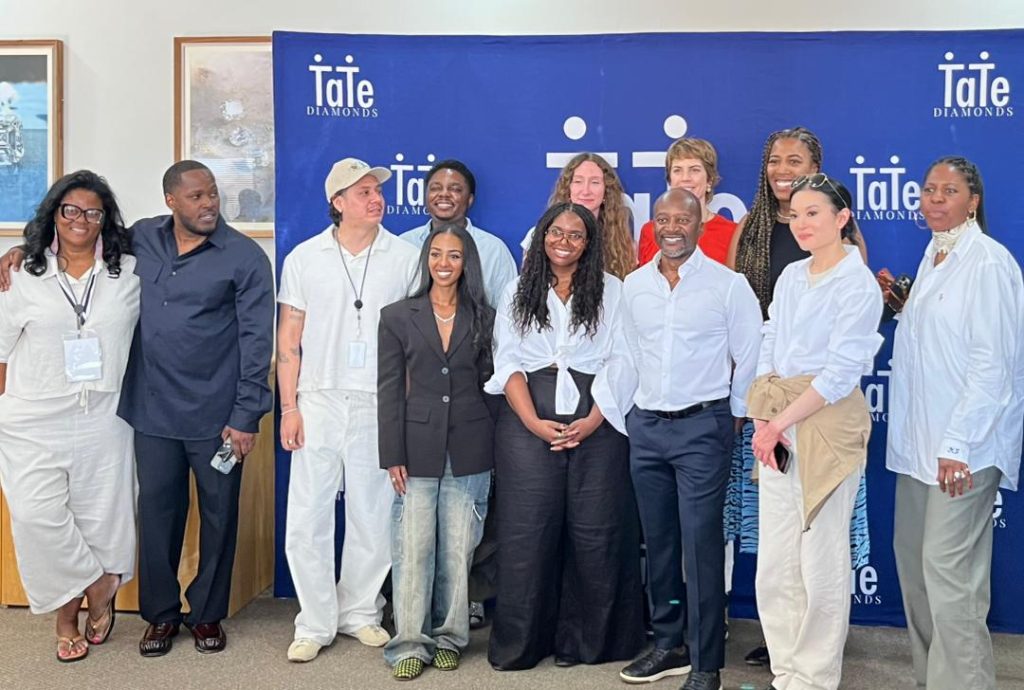
De Beers has launched a targeted media campaign to rebuild demand for natural diamonds in the United States, bringing a delegation of American journalists and designers to Namibia.
The company said the initiative aims to strengthen consumer confidence, counter market pressures and showcase Namibia’s unique diamond origins.
US De Beers Natural Diamonds lead, Sally Morrison, said the campaign is built around a newly introduced “desert diamond” concept, which connects the natural colours of diamonds to Namibia’s desert landscapes.
She said the visit gives US media an opportunity to understand the authenticity, origins and natural qualities of Namibian diamonds at a time when the US market is under strain.
“To tell the backstory, the origin story of diamonds, we launched a desert diamond campaign inspired by the colours of the desert, giving us a hook to talk about natural diamonds and promote demand in the US market,” Morrison said.
Morrison added that the campaign is intended to counter declining demand, competition from lab-grown diamonds and broader tariff challenges affecting US retailers. She said showcasing Namibia as the source of natural diamonds reinforces trust and transparency among American consumers and industry influencers.
Debmarine Namibia CEO, Willy Mertens, said the delegation toured the company’s offshore operations this week and witnessed the country’s advanced technology and responsible mining practices.
He said Namibia produces some of the highest-quality diamonds internationally, making the sector vital to the national economy.
“More than 95% of the diamonds produced here are gem quality, achieving the highest average price in the world, and this industry has been the backbone of our economy since independence,” Mertens said.
He added that the slump in natural diamond demand, particularly in the US, has had direct consequences for Namibia’s development goals. According to Mertens, weakened market performance affects funding for education, infrastructure and government services, placing pressure on planning.
“In recent years we have seen a significant slump in demand for natural diamonds, and this threatens livelihoods and the ambitions of our development plans, including essential social investments,” he said.
Namibia Diamond Trading Company representative, Paige Ekandjo, said Namibian diamonds remain highly desirable due to their clarity, shape and value. He said Namibia may not compete on volume but consistently ranks among the highest globally in quality and price per carat.
“Namibian diamonds are among the best in clarity and value, and although our quantity is lower, we have some of the highest prices per carat in the world because they are clearer, smoother and easier to cut,” Ekandjo said.
The media visit formed part of a two-day programme hosted by De Beers in collaboration with Namibian stakeholders. Day one included tours of the #BeFree Campus and Dinapama Textile Manufacturers, followed by a networking dinner with Debmarine leadership.
Day two focused on the diamond and aviation sectors, including visits to the Namibia Diamond Trading Company and Tate Diamonds.
Delegates observed beneficiation processes, skills development initiatives and local manufacturing capacity, reinforcing Namibia’s ambition to expand its role in the global diamond value chain.
De Beers said the delegation included senior editors, journalists and industry specialists from the United States and the United Kingdom, supporting Namibia’s strategy to raise its economic profile in key international markets.