Askari Metals is positioning 2026 as a pivotal year in its growth strategy, with plans to restart exploration at its Uis project in Namibia alongside an expanded regional exploration programme across Africa.
The Australia-listed company said it enters the year debt free after settling two funding notes, a move it said has strengthened its balance sheet and improved financial flexibility to accelerate exploration across its gold, copper and critical metals portfolio in Namibia and Ethiopia.
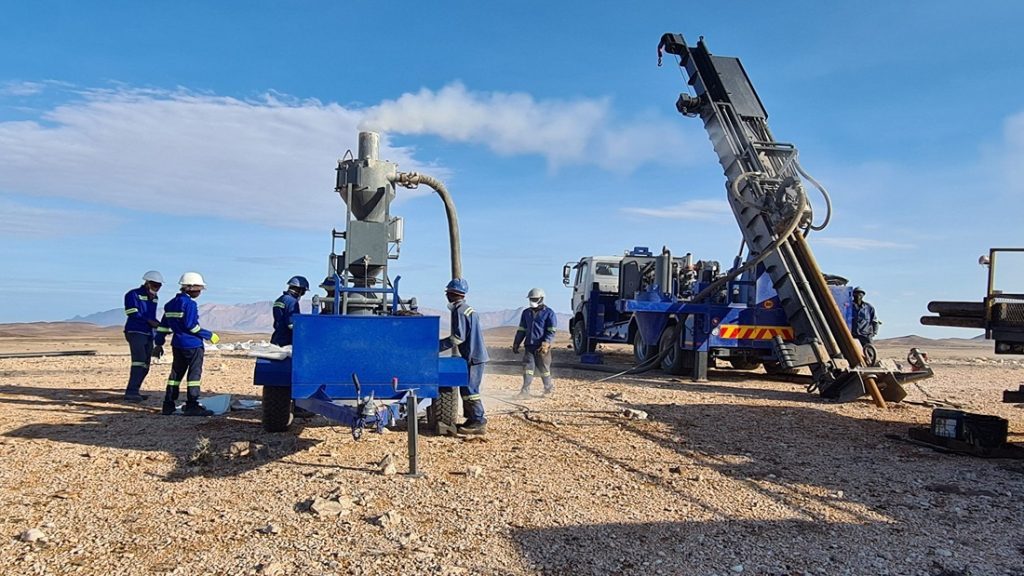
The Uis project hosts high-grade tin and tantalum mineralisation, with additional potential for lithium and rubidium. Askari said recommencing exploration at Uis would provide shareholders with exposure to tin and other critical minerals at a time of firm commodity prices and improving sector sentiment.
“Recommencing work at Uis will provide shareholders with compelling exposure to tin and critical metals during a period of robust commodity pricing and improving sector sentiment,” Executive Director Gino D’Anna said.
While Namibia remains a core jurisdiction, the company is also advancing exploration at its recently acquired Nejo project in Ethiopia, which it has identified as a flagship asset.
Askari completed the acquisition of Nejo’s previous owner, Hong Kong Xingxu Mining International Investment, in late November.
The Nejo project covers approximately 1,174 square kilometres and is expected to be advanced through a staged 20,000-metre drilling programme supported by trenching, geophysical surveys, mapping and sampling.
The maiden drilling campaign has identified several shallow, high-grade gold targets, with further testing planned for copper, antimony and silver.
Askari’s Uis Lithium Project, comprising EPL 7345 and EPL 8535, covers approximately 308 square kilometres in the Erongo Region and hosts more than 120 mapped pegmatites, many of which were historically mined for tin and semi-precious stones.
The project is located less than five kilometres from the town of Uis and within 2.5 kilometres of Andrada Mining’s operating Uis Mine, which holds a JORC-compliant mineral resource of 81 million tonnes grading 0.73% Li₂O.
The project also benefits from established infrastructure, with the deep-water port of Walvis Bay less than 230 kilometres away and Windhoek about 270 kilometres to the south-east, both accessible year round via sealed roads.