Namibia is moving to establish whether its workforce and local businesses have the capacity to participate in the country’s emerging oil and gas industry, amid concerns that shortages of technical skills and industrial capabilities could limit domestic participation in future petroleum projects.
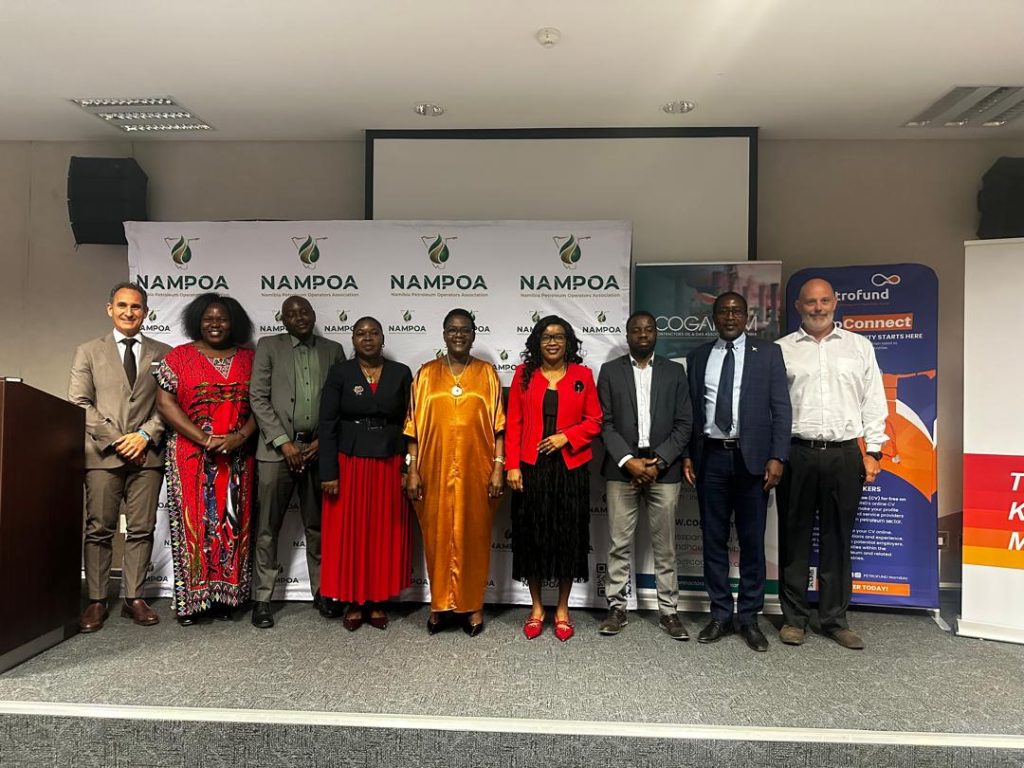
The government has launched the second Upstream Oil and Gas Industry Baseline Study (IBS 2.0), which will identify gaps in the country’s workforce, institutional capacity and business capabilities as offshore petroleum developments progress towards potential commercial production.
The study, expected to be completed by the end of 2027, will determine which skills and services Namibia can currently provide, what the petroleum industry will require and where additional investment is needed.
Speaking at the launch on Tuesday, Head of the Upstream Petroleum Unit in the Office of the Presidency, Kornelia Shilunga, said the assessment would establish the number of skilled workers required across different occupations and the timelines within which they would be needed.
“IBS 2.0 will tell us which trades, disciplines and professions the industry will need, in what numbers and by when. The findings of this study will provide Petrofund, our universities, vocational training centres and the broader education sector with the clarity needed to invest in the right skills, at the right scale and at the right time,” she said.
The assessment comes as Namibia seeks to ensure that local companies and workers are positioned to benefit from future petroleum investments rather than leaving the bulk of specialised work and supply contracts to foreign service providers.
However, the extent of Namibia’s existing skills and industrial capacity gaps has yet to be established, with the study intended to provide the evidence needed to quantify those shortfalls.
Shilunga said the findings would guide the government, petroleum operators, service companies and training institutions in developing coordinated measures to strengthen local participation.
“The study evaluates the country’s industrial and workforce readiness for oil and gas projects, looking at resources and future development needs, and identifies opportunities for capacity and capability improvements,” she said.
The study will also provide a basis for setting local content targets under Namibia’s National Upstream Petroleum Local Content Policy and proposed amendments to petroleum legislation.
Shilunga said the government needed reliable information on existing capabilities to ensure that participation targets were achievable and measurable.
“Through the National Upstream Petroleum Local Content Policy and the local content provisions of the proposed petroleum legislation amendments, the government has set clear expectations for Namibian participation. IBS 2.0 will help us turn those expectations into targets that are ambitious yet realistic, measurable and fair to all,” she said.
“The policy tells us where we want to go. The baseline tells us where we stand. Only when we know both can we chart the road between them.”
Petrofund Chief Executive Officer Nilian Mulemi said training institutions and local businesses would need to prepare for changing industry requirements as petroleum projects move through exploration, appraisal, field development, production and eventual decommissioning.
She said each phase required different technical competencies and levels of workforce participation, making early planning essential.
“We should use it to determine training priorities, help businesses prepare and provide a basis for all stakeholders to take shared action,” Mulemi said.
“For academic institutions, this means collaborating more closely with industry and preparing accordingly. It means aligning curricula with technical standards and ensuring that the skills developed through academic programmes respond to industry needs.”
The joint government and industry initiative builds on the first upstream petroleum baseline study and is expected to establish a common set of data for workforce planning, supplier development and investment decisions.
Its findings will help determine the scale of interventions required to ensure that Namibian workers and businesses can compete for opportunities arising from the country’s offshore petroleum developments.