Namibia has secured approximately N$1 billion in climate financing to advance green hydrogen development and industrial decarbonisation, following the Green Climate Fund’s (GCF) approval of a US$140 million funding package for Southern Africa.
The funding forms part of the Southern African Industrial Decarbonisation Facility, which aims to mobilise US$1.2 billion in public and private investment across Namibia and South Africa to support low-carbon industrial development.
Approved at the GCF’s 46th Board meeting in South Korea, the package allocates US$56 million to Namibia and US$84 million to South Africa. Namibia’s allocation comprises US$15 million for early-stage project development and US$41 million in equity financing to support projects through construction.
The financing will be channelled through the SDG Namibia One Fund, which supports the development of green hydrogen infrastructure and associated industries in Namibia.
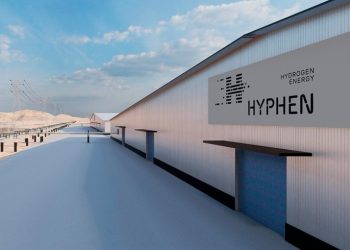
Four projects have already secured development funding agreements through the fund: Hyphen’s green hydrogen project, HyIron’s Oshivela green iron project, Zhero Molecules’ Walvis Bay green ammonia project and the Dâures green fertiliser project.
The funding is expected to address financing constraints that often delay large-scale energy and industrial projects, particularly during development and construction, while helping attract additional private investment into Namibia’s emerging green hydrogen sector.
Environmental Investment Fund of Namibia (EIF) chief executive officer Benedict Libanda said the financing would strengthen the country’s ability to develop its green hydrogen industry, support industrialisation and create employment opportunities.
Namibia has significant potential to develop green hydrogen and associated industries, but realising that potential requires capital, specialist expertise and meaningful Namibian participation,” Libanda said.
He added that the GCF’s catalytic financing would help advance projects capable of creating jobs, supporting industrial development and contributing to Namibia’s transition to a low-carbon economy.
The SDG Namibia One Fund is managed by Namibia Energy Transition Fund Managers, a partnership between Climate Fund Managers, Invest International and the EIF.
Investment and emissions reduction targets
The broader facility targets between 30 and 40 industrial decarbonisation projects across Namibia and South Africa. The programme aims to install approximately 1.52 gigawatts of renewable energy capacity and avoid an estimated 24.2 million tonnes of emissions.
GCF regional director for Africa Catherine Koffman said the facility would use catalytic first-loss equity to reduce investment risks and unlock capital for industries where emissions are particularly difficult to abate.
The programme targets US$1.2 billion in investment to finance projects that can accelerate renewable energy deployment and reduce the carbon intensity of industrial operations.
Development Bank of Southern Africa (DBSA) group executive for programmes Phindile Masangane said the financing would help mobilise private capital for industrial projects while supporting economic growth and employment.
“With USD 84 million allocated to South Africa and USD 56 million allocated to Namibia, the DBSA, with its partners, Climate Fund Managers and the Environmental Investment Fund of Namibia, is well placed to channel the GCF funding into development projects where the emissions are hardest to abate and the economic stakes are highest,” Masangane said.
The DBSA will oversee the programme on behalf of the GCF, including monitoring and reporting on the use of the financing.
Climate Fund Managers chief executive officer Andrew Johnstone said the funding would help address persistent financing challenges affecting industrial decarbonisation projects, particularly during the development and construction phases.
The GCF approval follows earlier commitments of €150 million from Invest International and the European Commission to Climate Investor Three’s development financing facility.
Climate Fund Managers said it would continue mobilising public and private capital towards the US$1.2 billion investment target, with the funding expected to support green hydrogen infrastructure, renewable energy generation and low-carbon industrial development across Namibia and South Africa.