Namibia’s economic growth could accelerate to 18.1% by 2030, driven by anticipated investments in offshore oil, uranium and other mining projects, although delays in major investment decisions and limited participation by local businesses could threaten the projected expansion.
Monasa Advisory & Associates Chairman and Managing Partner Jason Kasuto said forecasts indicate that Namibia’s economy could reach an estimated N$500 billion by 2030, with average annual growth of 6.6% between 2026 and 2035, compared with approximately 1% over the preceding decade.
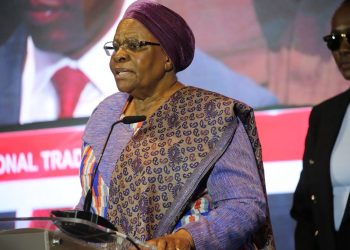
Speaking at the ICAN National Accounting Summit, Kasuto said the projections pointed to a significant change in Namibia’s economic outlook, largely supported by developments in offshore petroleum, uranium mining and green hydrogen.
Economic growth is projected to peak at 18.1% in 2030 before slowing to approximately 3% from 2033.
However, Kasuto warned that the projections remained dependent on the timing and implementation of major investment projects, particularly in the petroleum sector.
“The forecasters obviously say that it’s going to be a bigger one. Whether it’s a better one is a decision that has not yet fully been taken,” he said.
He said the anticipated expansion presented an opportunity to transform Namibia’s economy, but warned that stronger economic growth would not automatically result in increased employment, improved public finances or greater participation by local businesses.
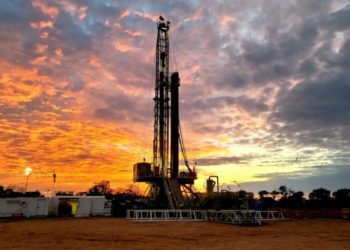
Kasuto identified offshore oil discoveries in the Orange Basin as a major driver of the projected growth, with the forecasts discussed in his presentation anticipating first oil production around 2029 to 2030.
However, he said the Venus oil project was still awaiting a final investment decision, while fiscal and legal arrangements remained under discussion at the time of his presentation.
He warned that delays in reaching investment decisions could affect the timing of capital expenditure, infrastructure development and contracts expected to support economic activity towards the end of the decade.
Without the anticipated petroleum investment, the projected economic growth surge between 2029 and 2031 could be at risk.
Kasuto said Namibia also needed to ensure that local businesses were positioned to benefit from major oil, gas and mining developments.
He called for stronger links between international investors and Namibian suppliers, including joint ventures that would allow local companies to access technical expertise, financing and business opportunities.
“The linkages becomes what makes those other three or those three big or four big opportunities actually matter,” he said.
According to Kasuto, local businesses would need to strengthen their technical capabilities, financial resources and operational standards to compete for contracts associated with large-scale resource projects.
He warned that without adequate preparation, Namibia could experience substantial increases in investment and exports while local companies secured only a limited share of the resulting economic opportunities.
Kasuto also identified unemployment as a major challenge that could persist despite the projected economic expansion.
He cited an overall unemployment rate of 36.9% and youth unemployment of approximately 44%, warning that the country needed to translate resource investments into meaningful employment opportunities.
“Jobs and skills, the unemployment amongst youth, we keep on speaking about that ticking time bomb remains a risk,” he said.
He noted that offshore petroleum projects were capital-intensive and could generate substantial economic output without creating employment at the same rate.
Kasuto therefore called for greater investment in skills development, supplier readiness and domestic procurement to ensure that the anticipated resource boom benefited more Namibians.
He also warned that regulatory uncertainty could affect the timing of major investments, particularly where petroleum legislation and fiscal arrangements remained unresolved.
Kasuto called for clear rules governing the management of future oil revenues through Namibia’s sovereign wealth fund, including how funds would be deposited and withdrawn.
He said such measures would strengthen investor confidence and help the government manage petroleum revenues over the longer term.
Meanwhile, Kasuto warned that Namibia’s fiscal position remained a constraint on its ability to finance development priorities and respond to economic shocks.
He cited public debt of approximately 68% of gross domestic product (GDP), a budget deficit of 5.5% of GDP and import cover of 3.6 months.
Kasuto proposed reducing public debt to 60% of GDP and the budget deficit to 3.3% of GDP by the 2028/29 financial year to strengthen fiscal sustainability.
Beyond oil and gas, he identified uranium mining and green hydrogen as additional opportunities to support economic growth and diversification.
However, Kasuto maintained that the long-term benefits of these investments would depend on Namibia’s ability to develop competitive local suppliers, expand employment opportunities and strengthen the institutions responsible for managing resource revenues.
He warned that unless these measures were implemented, Namibia could experience a temporary surge in economic growth without achieving lasting improvements in domestic productive capacity and economic participation.