Namibia must avoid demanding excessive state participation in oil projects that could discourage companies from investing billions of dollars in high-risk exploration, the Upstream Petroleum Unit in the Office of the President has cautioned.
Charles Mbeha, Deputy Director of Compliance, Regulation and Local Content at the unit, said the government needs to strike a balance between maximising Namibia’s share of petroleum wealth and ensuring investors can earn sufficient returns to justify committing capital to exploration.
“So we need to balance that the oil companies must have an incentive to want to carry out exploration activities. We should not take too much, but I am not saying that we shouldn’t increase where we are. It must be a balanced approach,” Mbeha said.
He said oil exploration is highly capital-intensive and carries significant financial risk because companies can spend billions without making a commercially viable discovery.
“Searching for oil is a very expensive activity. So no one will put their money if they know that they will not get a lot in return,” he said.
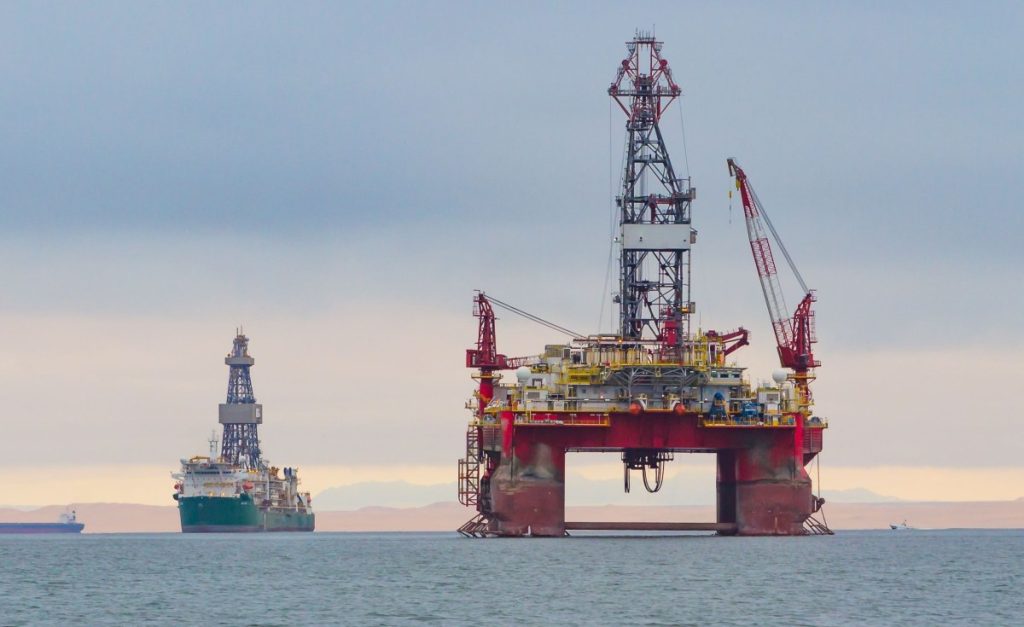
Mbeha said Namibia’s offshore discoveries are located in deep waters, increasing both the technical complexity and financial requirements of exploration and potential development.
He argued that this makes attracting companies with sufficient financial and technical capacity critical to developing Namibia’s petroleum resources.
“You need to attract more. As one gentleman told me, it is better to have 15% or 10% of billions than to have 100% of nothing. So one needs to balance that,” Mbeha said.
He said the government cannot simply finance exploration itself because doing so would require substantial public resources that are also needed in other sectors.
“We are not saying government does not have money. Government has money, but government has other priorities. If government is to take money and invest and go on its own to search for oil, other sectors will suffer,” he said.
Mbeha was speaking during a validation workshop for Namibia’s National Upstream Petroleum Local Content Policy, which is intended to increase Namibian participation in the emerging petroleum industry.
He also rejected the view that Namibia’s benefit from petroleum developments should be measured solely through Namcor’s direct participation in projects.
Mbeha said government revenue would also come from corporate income tax, royalties and other economic activity generated by the industry.
“Government is only receiving 15%. It’s not correct because there’s also income tax. Government will also get in terms of income tax, which is about 35%, and then you have royalties, 5%. And then you have the Namcor participation,” he said.
He said Namibians employed in the petroleum industry would contribute through taxation, while local procurement could generate additional income and business opportunities across the economy.
The government is developing the local-content policy to increase Namibian participation in employment, procurement and service provision as exploration and potential development activity expands.
Mbeha said the capital-intensive and technically complex nature of the industry means deliberate measures will be required to build local capacity and ensure Namibians can participate in the petroleum value chain.
The policy is expected to prioritise local employment and procurement while supporting training and skills development in areas where domestic capacity remains limited.
Mbeha said the objective should be to build an internationally competitive petroleum industry that remains attractive to investors while generating lasting economic value for Namibia.