Namibia’s Cabinet has approved the National Upstream Petroleum Local Content Policy, setting a framework to increase Namibian employment, procurement, business participation and ownership in the country’s emerging oil and gas industry.
The policy is aimed at ensuring that the development of Namibia’s offshore petroleum resources delivers economic benefits beyond government revenue from taxes and royalties as the country works towards potential first oil production.
Minister of Information and Communication Technology Emma Theofelus said Cabinet approved the policy at its 25th meeting, establishing a national framework for local participation across the upstream petroleum value chain.
“The first Cabinet decision at the 25th Cabinet Meeting was the National Upstream Petroleum Local Content Policy, which provides a framework for local content development in Namibia’s upstream petroleum sector,” Theofelus said.
She said the policy will target employment creation, local procurement, enterprise development, technology and skills transfer, research and innovation, as well as increased ownership and participation by Namibians.
“Cabinet approved the policy and noted that it will maximise national participation throughout the petroleum value chain by promoting employment creation, local procurement, enterprise development, technology and skills transfer, research and innovation, and increased ownership and participation by Namibians,” she said.
The approval comes as Namibia faces growing pressure to ensure that its emerging petroleum industry does not become dominated by foreign companies, expertise and suppliers, leaving local businesses and workers with limited benefits.
The policy is expected to provide a framework for determining how Namibian businesses and workers participate in the industry and how international petroleum companies contribute to building domestic capacity.
Cabinet initially approved the development of the local content policy in 2022, with the government subsequently working on the framework and conducting public consultations.
Consultations were launched in Lüderitz last year through the Presidency’s Upstream Petroleum Unit, with the process expected to cover all 14 regions.
President Netumbo Nandi-Ndaitwah has said Namibia wants petroleum development to generate broader economic benefits rather than limiting the country’s gains to taxes and royalties.
Government data estimates that Namibia’s offshore petroleum resources could generate up to N$7.7 billion annually for the State through taxes and royalties.
The local content framework seeks to broaden those benefits through linkages with other sectors of the economy, including local suppliers, service providers, skills development, technology transfer and financing.
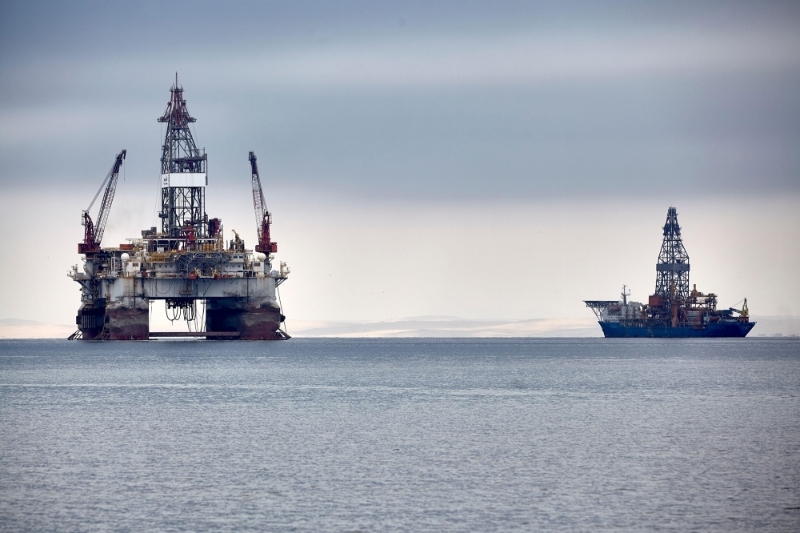
The policy comes as international oil companies continue exploration and appraisal activities following a series of discoveries in Namibia’s offshore basins.
Shell, TotalEnergies, Galp Energia, Rhino Resources and QatarEnergy are among the major companies involved in discoveries, while Chevron, ExxonMobil, Woodside Energy and Pancontinental Energy are among international players that have pursued exploration interests in Namibia.