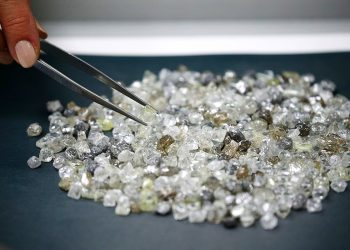
Namibia is exploring direct rough diamond sales to India and could consider holding auctions in the country as it seeks new markets and greater value from its diamond resources, Deputy Minister of Industries, Mines and Energy Gaudentia Krohne has said.
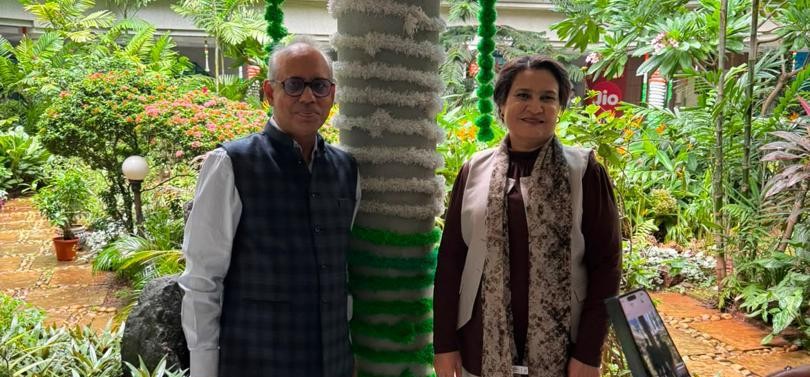
Speaking during a benchmarking and familiarisation visit to India’s Bharat Diamond Bourse, Krohne said Namibia is assessing opportunities arising from India’s planned tax-free system for diamond imports, which is expected to take effect on 1 October.
She said the proposed system could allow Namibia to send rough diamonds to India for viewing and marketing without attracting import taxes, potentially widening access to one of the world’s largest diamond trading and processing markets.
The arrangement could also enable potential buyers who are unable to travel to Namibia to view Namibian diamonds in India.
“It is something very positive, which I believe will be very beneficial for Namibia. I will take this message forward because Namibia could make use of this opportunity to export rough diamonds to India for viewing and marketing, especially since they would be tax-free,” Krohne said.
She said the government would consider the opportunity, including the possibility of conducting direct auctions of Namibian diamonds in India.
Krohne also said Namibia could draw lessons from India’s tax incentives as it develops its Special Economic Zone (SEZ) framework.
Namibia’s Export Processing Zone regime expired in December 2025, with government now developing an SEZ framework aimed at offering a broader range of incentives to attract investment.
Krohne said the new framework has already received Cabinet approval.
Her comments come as Namibia also assesses its position in the global diamond industry following Anglo American’s planned divestment of its 85% interest in De Beers.
Krohne said Namibia’s existing 50% stakes in Namdeb and Debmarine Namibia have not been affected by the planned sale, but confirmed that discussions with De Beers are continuing.
She said Namibia wants to increase its equity participation, although negotiations have not been concluded.
“Namibia holds a 50% stake in Debmarine Namibia and a 50% stake in Namdeb, so we have a 50-50 partnership. That position has not been affected for now, but negotiations between Namibia and De Beers are ongoing,” Krohne said.
“However, Namibia’s wish is definitely to increase its equity stake.”
Krohne said the country is also confronting pressure from weakening diamond production and its potential impact on government revenue.
She said Namibia produces relatively low volumes of diamonds but remains known for high-quality stones.
The government continues to generate revenue from the sector through taxes, royalties and export levies while pushing for greater local beneficiation, employment and skills development.
Namdeb currently allocates 15% of its production to the Namibia Diamond Trading Company, with part of the supply sold to local sightholders for cutting and polishing.