The Chairperson of Namibia’s Parliamentary Standing Committee on Natural Resources, Tobie Aupindihas argued that Namibia should receive part of its mining royalties and dividends in physical commodities such as gold and uranium instead of cash, questioning the need for the Bank of Namibia to purchase gold from mining companies operating in the country.
Speaking during a stakeholder engagement in Swakopmund, Aupindi said Namibia, through the central bank, should already be receiving gold directly as part of royalty payments and state shareholding interests in mining operations.
He argued that such an approach would strengthen the country’s financial stability, build strategic national reserves and provide protection against inflation and global market volatility.
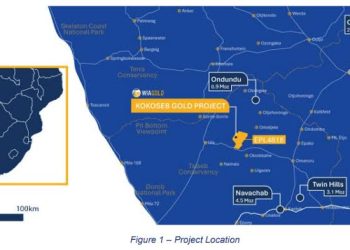
The remarks come after the Bank of Namibia announced in March that it would purchase gold from QRK Namibia Navachab under its gold acquisition programme aimed at strengthening reserve assets, enhancing financial resilience and improving the country’s ability to respond to external shocks.
“I read something about the Bank of Namibia. After we raised this issue, there has now been progress, including an offtake arrangement with one of the mining companies, a reputable mining company, to purchase some reserves. I thank them for that, and I encourage them to continue in that direction. However, we also have a royalty component, but on average it remains limited. We also have shareholding interests in those operations under mining licenses, and we should be receiving a fairer share of the benefits,” Aupindi said.
He said the proposal forms part of the committee’s broader push for Namibia to change the formula through which it derives value from natural resources.
According to Aupindi, the country should not rely only on taxes and dividend payments from mining companies but should also receive dividends in physical commodities such as gold and uranium.
He said strategic commodity reserves would strengthen financial security, support long-term economic stability and help shield Namibia from global economic shocks.
“Some may say this cannot be done. I disagree. This is sound economics. A country must use its own resources to secure its financial future,” he said.
Aupindi made the remarks while raising broader concerns about how Namibia benefits from its mineral wealth, warning that the current economic structure continues to exclude many citizens from meaningful wealth creation.
He also expressed concern over persistent unemployment and the slow pace of economic transformation despite Namibia’s vast natural resources.