Namibia is stepping up efforts to prepare local businesses for participation in the country’s emerging oil and gas industry, as major discoveries in the Orange Basin position it among the world’s most promising upstream frontiers.
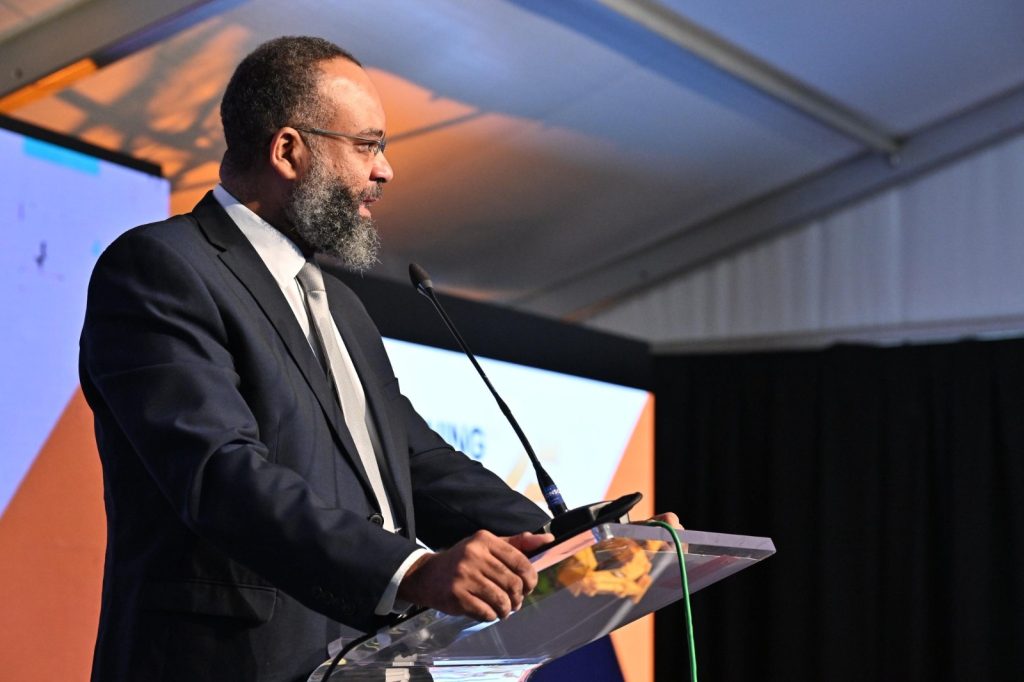
Speaking at an upstream oil and gas local suppliers workshop, Special Advisor to the President and Deputy Head of the Upstream Petroleum Unit, Carlo McLeod, said the country is entering a critical phase ahead of a final investment decision (FID), which will determine whether billions of dollars in capital flow into the sector.
He said the key issue is whether Namibian businesses are ready to benefit from the opportunity.
“We are now at a critical point leading up to the Final Investment Decision, which will determine whether billions of dollars in capital investment flow into this country and create generational opportunities for decades to come. The question we must answer is whether our local businesses and entrepreneurs are ready to participate,” McLeod said.
He noted that government’s upstream local content policy is aimed at ensuring exploration companies prioritise Namibian suppliers, employ local workers and contribute to building domestic capacity, but warned that policy alone will not secure local participation.
“We cannot legislate our way into the value chain. We must build our way there through skills, standards and a clear understanding of industry requirements,” he said.
The workshop, designed to bridge this gap, brought together global oilfield service companies and local firms to share procurement standards, technical requirements and industry expectations.
McLeod said opportunities will extend across multiple sectors, including logistics, catering, environmental services, engineering, ICT, infrastructure and professional services.
However, he cautioned that participation will depend on companies meeting strict international standards, including ISO certification, safety and environmental compliance, anti-bribery frameworks and strong financial capacity.
“These are not bureaucratic obstacles; they are the language of the industry. Companies must be able to meet these standards if they want to compete,” he said.
McLeod added that the next three to five years will be decisive in shaping the long-term impact of the sector, stressing the need to ensure that oil and gas development delivers broad-based economic benefits.
“Namibia stands at a defining crossroads. The choices we make now will determine whether this becomes a transformative opportunity for our people,” he said.