Namibia must urgently build its own energy capacity and reduce reliance on external supply chains as global energy security remains fragile, the African Energy Chamber has warned.
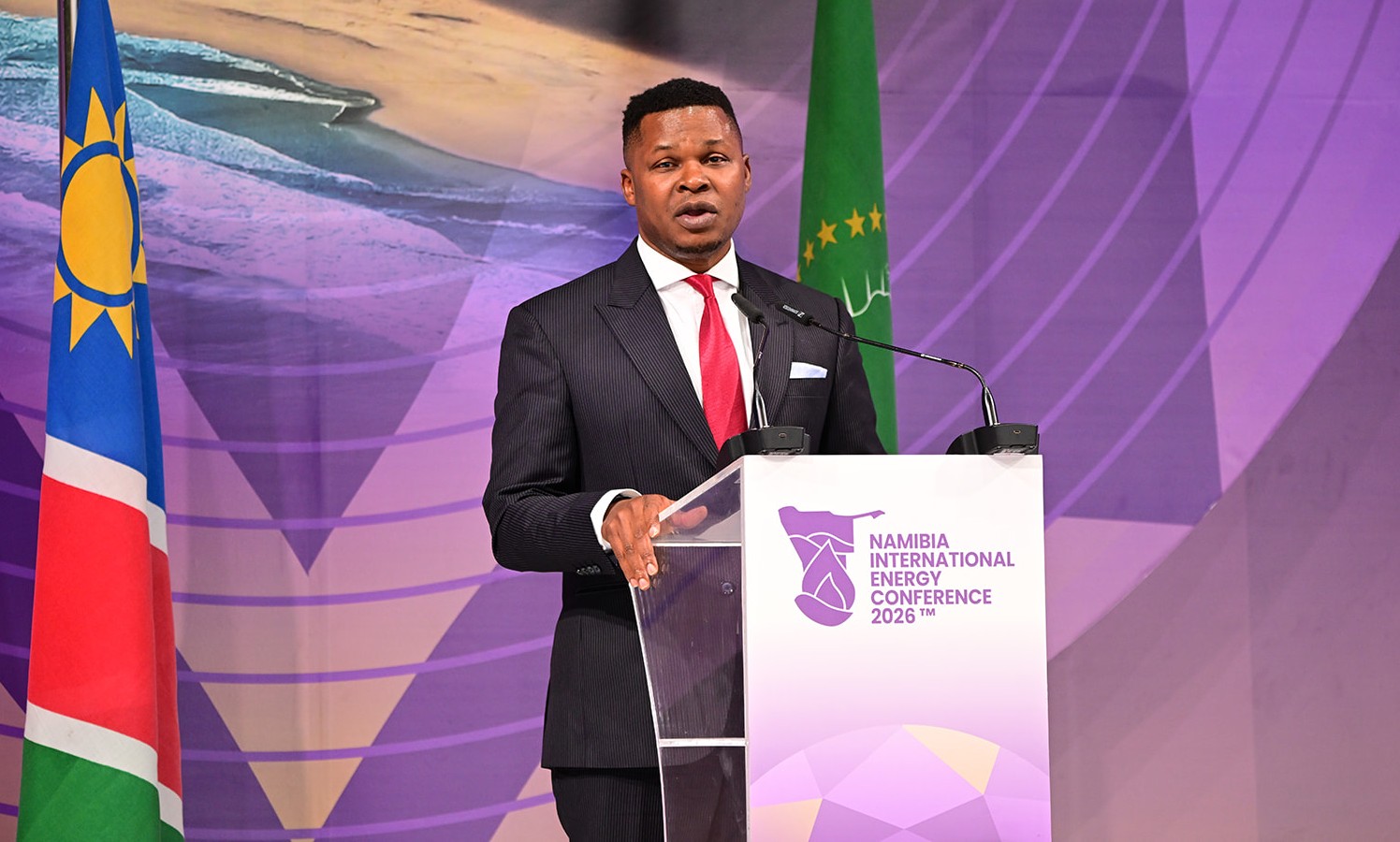
Speaking at the Namibia International Energy Conference (NIEC) 2026, Executive Chairman NJ Ayuk said the country’s exposure to geopolitical risks is heightened by its dependence on imported fuel, with about 70% of shipments passing through key maritime routes.
He said this vulnerability reinforces the need for Namibia to accelerate the development of its oil and gas resources and strengthen domestic energy production.
“Energy security is critical, and Namibia has the opportunity to produce its own energy and supply the world,” Ayuk said.
Ayuk also highlighted the broader African context, pointing to the scale of energy poverty across the continent. More than 600 million people still lack access to electricity, while nearly one billion do not have access to clean cooking solutions.
He said the human cost remains severe, with around one million deaths annually linked to energy poverty, alongside wider impacts on health, productivity and economic growth.
According to Ayuk, Africa is also losing significant economic potential, with an estimated US$800 billion in untapped energy value and up to US$14 trillion in broader resource capacity yet to be fully realised.
“We must use the resources we have found to industrialise and improve lives across the country,” he said.
Ayuk said Namibia is at a critical juncture and must decide whether to leverage its recent oil and gas discoveries to drive industrialisation, economic expansion and long-term development.
He warned that the sector must also attract young talent, as many are increasingly drawn to global technology firms instead of oil and gas.
He called for deliberate policies and industry action to create opportunities for young people and ensure the sector remains competitive.
“We must act now to bring young people into the industry and give them real opportunities,” Ayuk said.
Ayuk further stressed that Namibia is competing globally for capital, not only within the region, citing countries such as Guyana and Suriname as key rivals for investment.
He urged the government to implement competitive legislation, fast-track approvals and create an enabling environment to attract investors.
He said Namibia faces a clear choice between leading or falling behind, calling for bold and immediate action.
“Namibia has a choice to lead, to grow and to turn its resources into prosperity,” Ayuk said.