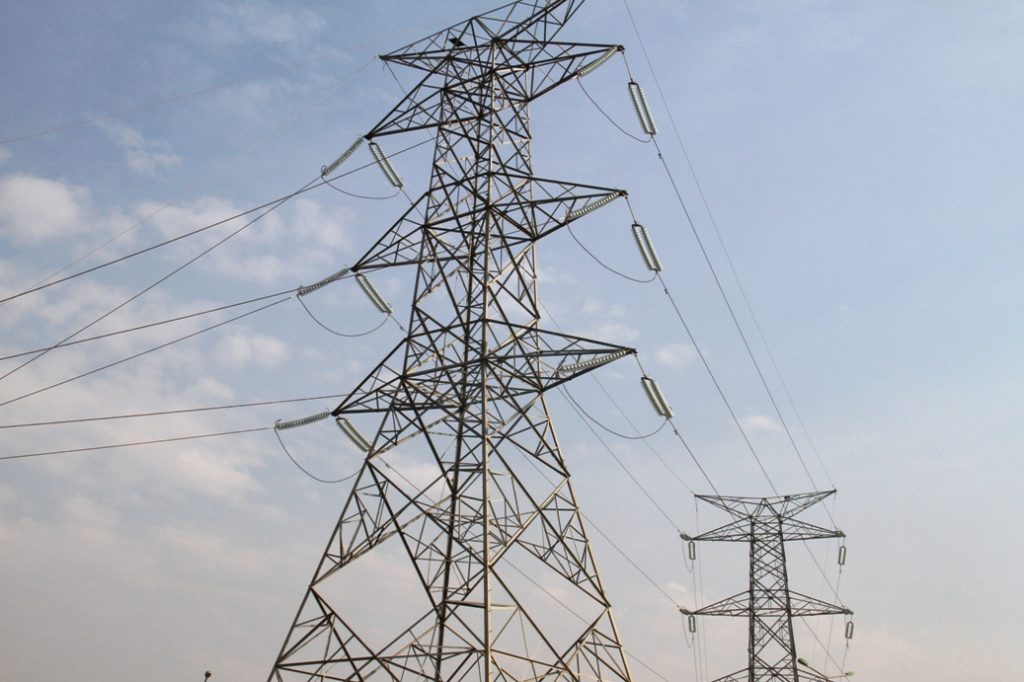
Government plans to increase Namibia’s electricity generation capacity from 759 megawatts to 903 megawatts during the 2026/27 financial year, backed by more than N$8 billion in energy sector investment.
Industries, Mines and Energy Minister Modestus Amutse said the expansion is driven by renewable energy and infrastructure projects aimed at strengthening supply reliability and reducing dependence on imports.
“These projects will increase generation capacity from the current 759 megawatts to 903 megawatts and support a more reliable and sustainable energy system,” he said.
Key projects include the 100MW Sores /Gaib Solar Power Station in Rosh Pinah, expected to be operational by December 2026, and the 44MW Diaz Wind Project, scheduled for completion by June 2026.
Additional developments include the 51MW Omburu Battery Energy Storage System near Omaruru, due by August 2026, and a 40MW biomass power plant at Otjikoto, expected by June 2027.
Amutse said the expansion programme has already created more than 600 jobs, largely for unskilled and semi-skilled workers in rural areas.
“We have created over 600 jobs in the energy sector, mainly for unskilled and semi-skilled workers, ensuring that Namibians benefit directly from these projects,” he said.
Further capacity will be added through a 120MW solar independent power producer programme, under which six private investors are expected to develop 20MW plants each following the conclusion of the bidding process by June 2026.
Government also plans to begin construction of the 45MW Lithops Battery Energy Storage System near Arandis in the next financial year.
Transmission upgrades remain critical to supporting increased generation. These include the completion of the 132kV Namib–Diaz transmission line, the Sekelduin substation and upgrades to the Khomas 220/66kV substations.
“These upgrades strengthen the national grid and improve the reliability of electricity supply across regions,” Amutse said.
At a regional level, Namibia is advancing cross-border integration through the Angola–Namibia Transmission Interconnector and the Baynes Hydropower Project, which is expected to reach a final investment decision in 2026/27.
Amutse said the interconnector will enable Namibia to import hydropower while supporting Angola’s ability to export up to 2,000 megawatts into the Southern African Power Pool.
Government is also progressing long-term diversification through the development of a nuclear energy programme, with Cabinet having approved the adoption of the International Atomic Energy Agency milestone approach.
“We have established the foundation for a nuclear energy programme to ensure a safe and regulated pathway towards future power generation,” he said.
The minister said the investments are expected to support industrial development, create jobs and strengthen Namibia’s position within the regional energy market.