A sharp rise in global oil prices, driven by escalating geopolitical tensions in the Middle East, is heightening investor risk across Southern Africa, with Namibia and South Africa particularly exposed to inflationary pressure, currency volatility and shifting interest rate expectations.
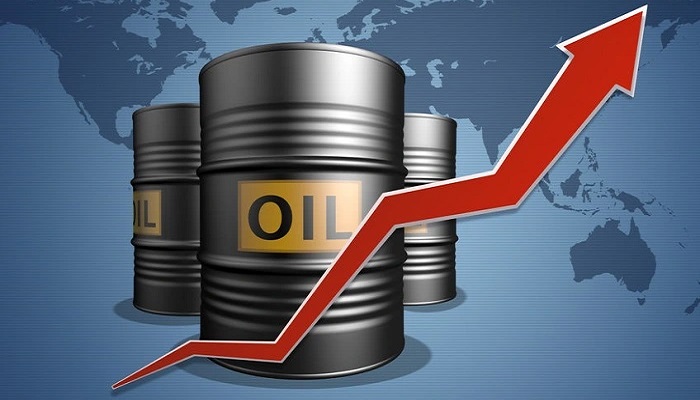
According to a market analysis by Simonis Storm Securities, the surge in Brent crude above US$100 per barrel has introduced renewed uncertainty for emerging markets that rely heavily on imported energy.
Brent crude recently climbed to a peak of about US$114 per barrel before easing to around US$107, marking the first time prices have exceeded US$100 since the onset of the Russia–Ukraine conflict in 2022.
“The single biggest story is oil,” the research team said, noting that global markets are reacting rapidly as supply disruptions intensify.
The disruption is linked to escalating conflict in the Middle East and the effective closure of the Strait of Hormuz, a critical global shipping route through which roughly 20% of the world’s oil supply passes.
“This is no longer a threat; this is a functioning supply disruption happening in real time,” the report said.
For Namibia and South Africa, the impact is immediate. Both countries import all of their oil requirements, meaning global price increases feed directly into domestic fuel costs, transport expenses and broader inflation.
The report warned that sustained high energy prices could trigger stagflationary conditions globally, characterised by rising inflation alongside weakening economic growth.
“That is a stagflationary mix, and central banks have limited options when confronted with it,” the researchers said.
Higher inflation expectations could also disrupt anticipated monetary easing cycles, with central banks potentially delaying or reversing planned interest rate cuts. This would likely weigh on equity markets and increase volatility across emerging market assets.
“That repricing would be negative for equities, negative for long-duration bonds and a further headwind for emerging market assets broadly,” the report noted.
In South Africa, a weakening currency has compounded the impact of higher oil prices, raising the local cost of imports and adding pressure to consumer prices. This may complicate the policy outlook for the South African Reserve Bank, particularly if inflation accelerates while growth remains subdued.
For Namibia, the risks are closely tied to developments in South Africa, given strong economic linkages through trade, investment flows and monetary alignment within the Common Monetary Area.
Simonis Storm said financial markets are closely tracking inflation data and global energy developments to assess how quickly the oil shock will feed into consumer prices and investor sentiment.
“Markets are responding with real urgency,” the report said, adding that the trajectory of oil prices and global inflation in the coming months will be a key determinant of risk appetite towards emerging markets such as Namibia and South Africa.