The International Labour Organization (ILO) has called on Namibia to address ownership imbalances and employment challenges within the mining sector, warning that the industry’s economic contribution is not yet translating into broad-based benefits for local workers and communities.
Speaking at a public dialogue on the promotion of decent work in Namibia’s mining industry, ILO Country Director Felile Masuku said ownership in the sector remains heavily concentrated among foreign entities, limiting the retention of economic value within the country.
“Ownership of mines is skewed toward foreign entities at 88.1%, compared to only 11.9% local ownership. To reach the 51% ownership policy target set by the government, the sector must move beyond raw material extraction toward processing and manufacturing. This will create better-paying jobs and retain economic value domestically,” Masuku said.
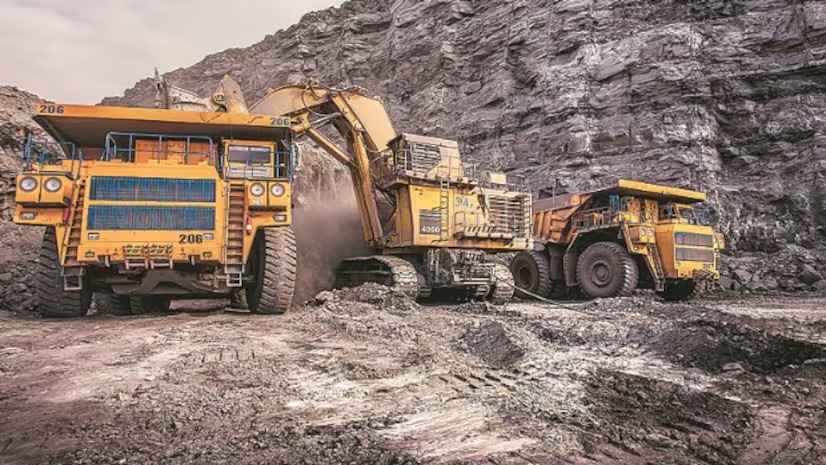
The ILO said the issue extends beyond ownership to working conditions and occupational safety, noting that mining remains one of the most hazardous industries globally. While mining accounts for about 1% of the global workforce, it contributes to approximately 8% of all fatal workplace accidents.
Masuku said similar concerns are reflected locally, with 2024 data indicating a 26.3% increase in lost day injuries in Namibia’s mining sector, highlighting ongoing safety risks despite technological and operational advances.
She also warned that structural changes in the industry, particularly the shift towards automation seen in mining jurisdictions such as Canada and China, could pose long-term employment risks if not carefully managed.
According to Masuku, technological advances are likely to reshape labour demand in the sector, making reskilling and social protection measures critical to ensuring that workers are not left behind as mining operations modernise.
“Finally, we must address the ‘Just Transition’. This means re-engineering the economy in a way that is as extensive and inclusive as possible, creating decent work opportunities while leaving no one behind. This involves minimizing environmental impact through renewable energy and water conservation techniques,” she said.
The remarks come as Namibia continues to position mining as a key driver of economic growth, with policymakers and industry stakeholders increasingly focused on balancing investment, employment creation and sustainability within the sector’s long-term development strategy.